If you buy through our links, Amazon pays us a small commission at no extra cost to you. That’s how we keep the site running. How we choose.
Contents
Our top 3 picks
Stock checked on October 6, 2026

coolers and portable fridges for boats comparison, in stock
Igloo Hard Cooler | Profile Series | Insulated Ice Chests
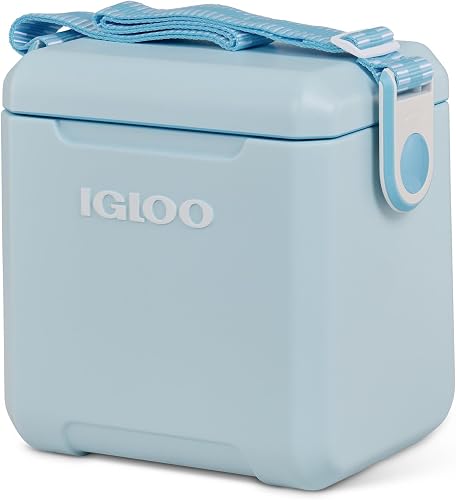
Igloo Tag Along Too Coolers | Insulated Hard Shell Picnic Style Cooler | Rolling Ice Chest
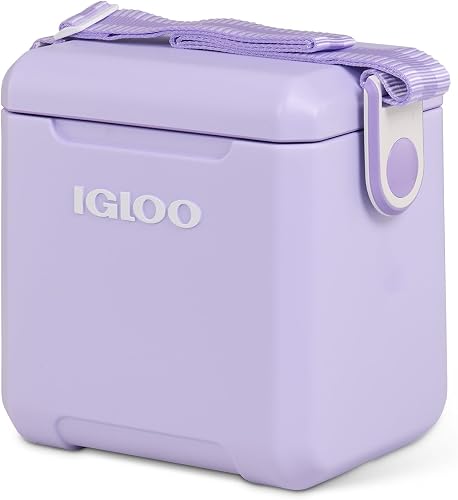
Igloo Tag Along Too Coolers | Insulated Hard Shell Picnic Style Cooler | Rolling Ice Chest
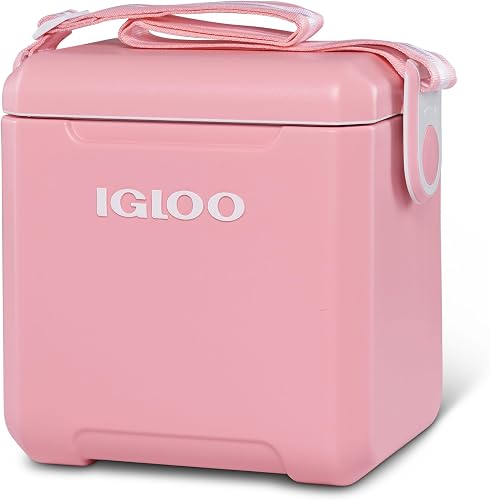
Igloo Tag Along Too Coolers | Insulated Hard Shell Picnic Style Cooler | Rolling Ice Chest
Titan Zipperless HardBody Cooler, Keeps Ice 2 Days

Igloo Hard Cooler | Polar & Party Bar Series | Insulated Ice Chests

Igloo Hard Cooler | Polar & Party Bar Series | Insulated Ice Chests

Coleman Xtreme Rolling Cooler with Wheels, Extra-Walled Insulation Keeps Ice up to 5 Days, Portable Wheeled Hard Chiller
BarcoEquipado score: combines the average rating and the number of buyer reviews on Amazon. No brand pays to be featured.
Boat Cooler Types: Passive, Compressor and Thermoelectric
The first decision is how it cools. Each type fits a different use, and the most expensive is not always the best for you.
| Type | How it works | Pros | Limits |
|---|---|---|---|
| Hard passive cooler (ice) | Thick insulation and block ice | Needs no power, very tough | Needs constant ice; meltwater collects |
| 12/24V compressor fridge | Compressor like a household fridge | Truly chills (and freezes), saves ice | Draws power; the priciest option |
| Thermoelectric (Peltier) | Cools a few degrees below ambient | Cheap, quiet, light | Weak in heat and uses more power than it seems |
For day trips, a well-insulated hard cooler is enough. For weekends or cruises with stops, a 12V compressor is worth it; a thermoelectric unit works as a supplement, not as the main cooler in midsummer.
Capacity: How Many Quarts You Need
A useful rule: plan about 2 to 2.5 gallons (8 to 10 liters) per person per day for drinks and food. If you also carry ice, add a third to the volume.
| Use | Approximate capacity |
|---|---|
| Day trip, 2 people | 15 to 25 qt (15 to 25 L) |
| Weekend, 2 to 4 people | 30 to 50 qt (30 to 50 L) |
| Multi-day trip or big group | 50 to 100 qt (50 to 100 L) |
Watch out: a big cooler needs space and tie-downs. Before you buy, measure the spot on deck or in the cockpit and check that it fits through the hatch if it will live below.
Insulation: What Actually Holds the Cold
In a passive cooler, insulation is everything. Look for thick polyurethane walls (or rotomolded with injected foam), a continuous gasket and a heavy lid that closes tightly. Budget thin-wall models last a day; premium ones can hold ice for several days, though that depends on air temperature and how often you open the lid.
- Rotomolded: very tough, insulates well and resists impact and UV. Heavier and more expensive.
- Injection-molded: lighter and cheaper, fine for occasional use.
- Light color: reflects sun; dark ones get very hot on deck.
Power: Draw, Battery and Solar
A 12V compressor draws an average of 0.5 to 1.5 amps depending on temperature, but it cycles rather than running continuously. For a weekend at anchor, check that your house battery can handle the load and consider a solar panel or a lithium battery if the fridge will run for several days.
- Work out your daily draw (amps times actual run hours).
- Make sure the house battery has headroom for that load without dropping below 50 percent.
- Choose a unit with low-voltage cutoff, which shuts the compressor off before it leaves you with a dead starter battery.
- Wire it with adequate gauge cable and a fuse.
Tip: it pays to spend more on a fridge that cools harder on less current. Over a summer, the battery savings show up more than the price difference.
Using a Cooler Onboard
A cooler performs better when used well. Pre-chill the contents before boarding, fill empty space to reduce air, open the lid as little as possible and keep it in the shade, out of direct sun (ideally under a bimini top). Strap it down: a loose cooler becomes a projectile in rough water.
- Use block ice instead of cubes: it lasts longer and leaves less meltwater.
- Keep drinks (opened often) separate from food (opened rarely).
- Pick a model with a drain plug to empty the meltwater.
Care and Common Mistakes
Clean the inside with water and baking soda, dry it well and store it with the lid ajar to prevent odors. Check the gasket and the hinges: they are the first things to fail.
- Buying on capacity alone without thinking about weight when full.
- Relying on a thermoelectric unit on an intensely hot day.
- Leaving the cooler in the sun on deck.
- Not securing it: motion shifts it and breaks the hinges.
For onboard comfort, also look at solar showers, which pair well with a good cooler on weekend trips.
Frequently asked questions
Which is better for a boat: a hard cooler or an electric fridge?
For day trips, a well-insulated hard cooler with ice is enough. For weekends or longer cruises, a 12V compressor fridge truly chills without relying on ice, but it needs a house battery that can handle the load.
What size cooler do I need for two people on a weekend?
Between 30 and 50 quarts usually covers two or three people over a weekend with food and drinks. If you also want room for ice, add about a third more volume.
How much power does a 12V compressor fridge use?
It depends on the model and the temperature, but 0.5 to 1.5 amps on average while running is typical, and the compressor cycles on and off. Work out your daily draw and make sure your house battery has headroom.
Is a thermoelectric cooler any good on a boat?
It cools a few degrees below ambient and works as a supplement. In intense heat it performs poorly and uses more power than it seems, so it is not the best choice as your main cooler in midsummer.