If you buy through our links, Amazon pays us a small commission at no extra cost to you. That’s how we keep the site running. How we choose.
Contents
Most recreational rescues start with something that could have been caught at the dock: a weather forecast misread, a fuel tank half empty, a dead battery, or a life jacket nobody could find. This pre-departure boating checklist takes five minutes and works for powerboats, inflatables and recreational sailboats. Save it on your phone or print it and tape it to the console.
The short answer: check the forecast, confirm fuel, engine and bilge, count the life jackets, test the VHF, carry your paperwork and leave a float plan with someone ashore. If any of that fails, do not go.
1. Weather: the most important decision
- Check the NOAA marine forecast for your area and for every hour of the trip, including the way back.
- Look for small craft advisories, wind, swell, thunderstorms and fog.
- Remember afternoon sea breezes, which often build just as you head home.
- Cross-check with a barometer if you have one: a fast drop means worse weather coming.
- Ask around at the marina: people who have watched the same horizon for years know when the forecast falls short.
If in doubt, stay in. The water will still be there tomorrow.
2. Boat and engine
| Check | What to confirm |
|---|---|
| Fuel | Rule of thirds (one third out, one third back, one third reserve); portable tank vent open and fuel line firmly connected |
| Engine | Oil level, start it at the dock, cooling water tell-tale stream, kill-switch lanyard attached |
| Bilge | Drain plug in, bilge dry, pump working |
| Batteries | Enough charge, switch in the right position, terminals tight |
| Lights | Navigation lights working if there is any chance of coming back after dark |
| Anchor | Anchor, chain and rode ready, shackles secured |
| Docking | Dock lines and fenders aboard for the return |
If the engine is hard to start, do not leave and hope it fixes itself: read our guide on why an outboard will not start and review outboard maintenance. Also make sure the bilge pumps respond and that your ground tackle is complete.
3. Safety equipment
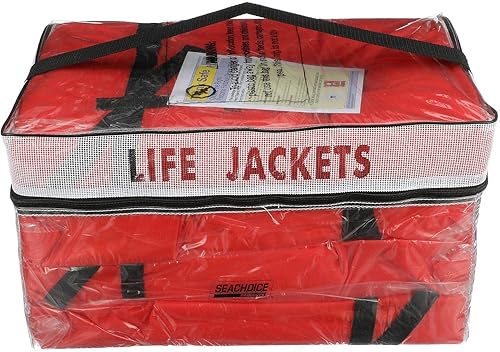
- Life jackets (PFDs): one per person, the right size, including children; on inflatables, the cartridge and indicator should show green.
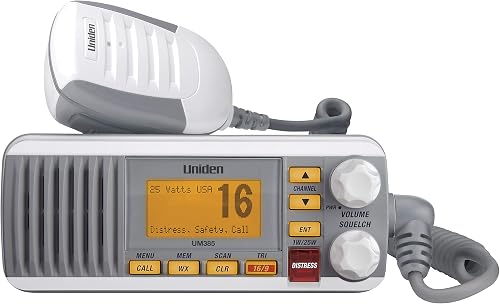
- VHF: charged and tested, monitoring channel 16.
- Distress signals: flares and signaling devices within their expiration dates.
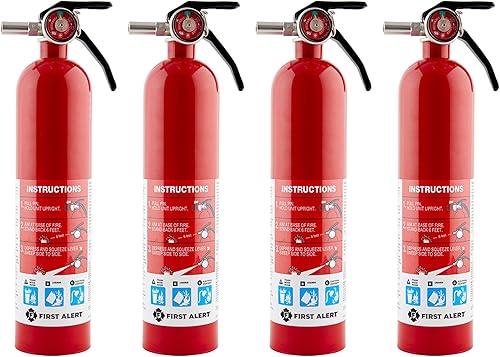
- Fire extinguisher, first-aid kit and waterproof flashlight where everyone knows to find them.
- Throwable flotation device within reach, as required for your boat size.
What is required by law depends on your boat's length and type. In US waters, check the US Coast Guard carriage requirements, and consider a free Vessel Safety Check from the Coast Guard Auxiliary or US Power Squadrons. If your life jackets are inflatable, inspect them before the season and see our picks of automatic life jackets if it is time to replace them.
4. What belongs in the go-bag
A floating handheld VHF is the single item that makes the biggest difference if something goes wrong, especially on small boats without a fixed radio. Fill out the bag with a waterproof flashlight and spare batteries, a first-aid kit, sunscreen, water, warm and rain layers even on a nice day, and your phone in a waterproof pouch.
5. Paperwork
- Boating safety certificate or license, where your state requires one.
- Boat registration and any required documentation.
- Insurance (not federally mandatory for most recreational boats, but many marinas require it).
- Radio license or MMSI information, if you use DSC.
6. Crew and float plan
- Show everyone where the life jackets, extinguisher and VHF are, and how to stop the engine.
- Name someone who can bring the boat in if the skipper goes overboard.
- Leave a float plan ashore: route, who is aboard, boat description and return time.
- Children should have their life jacket on from the dock.
- If you bring a dog, bring its life jacket too.
Common mistakes before casting off: forgetting the drain plug on a boat that was on a trailer; leaving with just enough fuel because we are only going to the next cove; not attaching the outboard kill-switch lanyard; and stowing life jackets in a locked locker under the lines and coolers.
7. The last walk-around at the dock
Before you leave, make a full lap of the boat: dock lines and fenders brought in and stowed, hatches closed, loose gear secured, rods and gear fixed in place. Start the engine while still tied up, confirm cooling water is coming out and wait a few minutes before you leave. Go over who does what during the departure, and if someone has never been on a boat, show them how to move around with one hand for the boat.
8. What to add by boat type
- Inflatable or RIB: tube pressure, an inflation pump aboard, paddles or oars, and a light anchor. A soft tube completely changes how the boat behaves in chop.
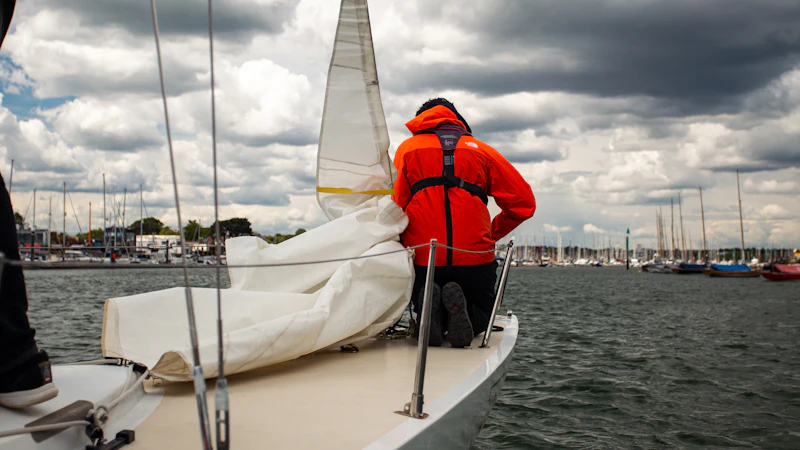
- Sailboat: condition of halyards, sheets and reefing lines, sails bent on or ready to hoist, harnesses and jacklines if the weather turns, and the auxiliary engine tested before you cast off.
- Fishing boat: rods and tackle secured, bucket and net, and attention to weight distribution, since anglers move around a lot.
- Evening or night trips: running lights, a headlamp, warm clothing and a chart or GPS with the route home already marked.
If it is your first trip of the season, give yourself more time: check lines, fenders, battery condition and the expiration dates on flares and extinguishers before the wind forces you to do it in a hurry.
9. Checks you do not repeat on every trip
Some checks do not fit into five minutes and are best put on the calendar: expiration dates on flares and extinguishers; servicing of inflatable life jackets and any life raft according to the manufacturer; condition of the batteries and terminals; fuel quality if the boat has sat for weeks; and the state of dock lines and anchor rode, which suffer from sun and chafe. Set a reminder at the start of each season and go over them again in midsummer if you boat a lot.
Back at the dock
Rinse the engine and hardware with fresh water, put the batteries on charge, air the boat out and note any issue to fix before the next trip. A good rinse cuts corrosion. If you plan to anchor during the trip, review how to anchor step by step and the basic boating knots. More resources in safety equipment.
Recommended gear for this guide

Frequently asked questions
What should I check before heading out on the water?
The essentials are the weather, fuel, engine, bilge, batteries, life jackets, VHF and paperwork. Also leave a float plan with someone ashore that includes your route and return time.
How much fuel should I carry?
A common guideline is the rule of thirds: one third to get there, one third to get back and one third in reserve. If you will face headwinds or current on the way back, you will need more.
What paperwork do I need on board?
Your boat registration, any boating education certificate your state requires, proof of insurance if applicable, and a radio license or MMSI details if you use a DSC radio. Check your state boating agency and the US Coast Guard for current rules.
What is a float plan and why does it matter?
It is a note left with a trusted person that lists your route, who is aboard, a description of the boat and when you expect to be back. If you do not return on time, that person knows where to look and whom to call.
When should I not go out on the water?
When the forecast calls for wind or seas beyond what your boat and experience can handle, when the engine is not reliable, or when required safety gear is missing. If in doubt, stay at the dock.