If you buy through our links, Amazon pays us a small commission at no extra cost to you. That’s how we keep the site running. How we choose.
Contents
Few things ruin a day on the water like an outboard that won't start: yank after yank on the pull cord, the smell of gas and the crew watching. The good news is that in the great majority of cases the cause is simple and gets fixed at the dock with a few basic tools.
This guide follows the diagnostic order mechanics use: the simple, common stuff first, then fuel, spark and cooling. Small carbureted engines are the most common case, but almost everything here also applies to fuel-injected motors.
Six quick checks
- Kill-switch lanyard clip properly in place.
- Gear shift in neutral.
- Tank vent open, and enough fresh gas.
- Fuel line connector seated and primer bulb firm.
- Choke set for a cold or warm engine.
- Spark plug clean, dry and sparking.
These six points solve most cases on small engines.
Quick diagnosis table
| Symptom | Likely cause | Fix |
|---|---|---|
| No attempt to start at all | Kill-switch clip out or no spark | Seat the lanyard clip; try another plug |
| Pull cord or starter won't turn | In gear, or weak battery (electric start) | Neutral; charge the battery and clean the terminals |
| Tries to start but won't catch | No fuel in the carburetor | Open the vent, squeeze the bulb until firm, use the choke |
| Strong gas smell, won't start | Flooded engine | Choke off, throttle wide open and pull repeatedly; dry or replace the plug |
| Starts then dies | Vent closed, cracked bulb, dirty filter, clogged idle jet | Check the fuel line; clean the carburetor |
| Only runs on choke | Partly clogged idle jet or air leak | Clean the carburetor and check gaskets |
| Misfires and loses power | Water in gas, worn plug, damaged or fouled prop | Drain and settle the fuel; replace the plug; check the prop |
| Starts but no water from the tell-tale | Clogged tell-tale or damaged impeller | Stop the engine; clear the tell-tale; replace the impeller |
1. Kill-switch lanyard and shift lever
This is the most common cause and the silliest. The kill-switch lanyard has a clip that must sit in its switch; without it the ignition is cut. Check that it is fully seated and that the cord isn't broken inside. If you've lost it, replace it: besides letting you start, it's what stops the engine if the helmsman goes overboard, and it should always be tied to your wrist or life jacket.
Nearly all modern outboards have a lockout that prevents starting unless the lever is in neutral. Put it in neutral and leave the throttle grip in the start position.
2. Fuel: the cause of half of all breakdowns
Closed tank vent
Portable tanks have a vent screw on the cap. If it's closed, the engine starts, runs a few seconds and starves for lack of air in the tank. Always open it when running.
Primer bulb and connectors
Squeeze the bulb until it's firm. If it won't firm up, there's a leak or a poorly seated connector; if it stays soft, it's cracked. Check the hose too: ethanol blends harden and crack old hoses.
Old gas or water in the fuel
Ethanol gas degrades within a few months, leaves varnish that clogs the jets and can absorb water. If the engine sat all winter, it's suspect number one:
- Drain the tank and the carburetor bowl through the drain screw.
- Refill with fresh gas from a station, with the right oil mix if it's a two-stroke.
- Replace the spark plug and fuel filter.
- If it still won't start, clean the carburetor (idle and main jets).
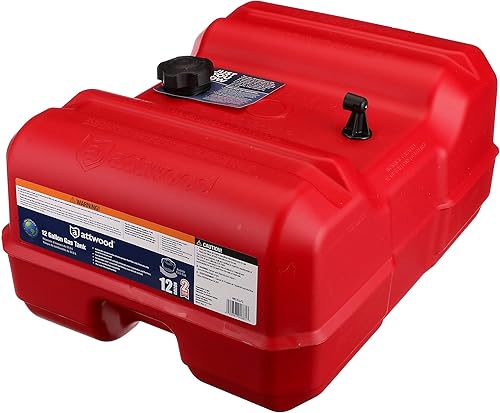
To prevent it, stabilize the fuel before storage, as explained in our guide to how to winterize a boat. A good fuel tank with a working vent and connector also saves trouble.
3. Spark and spark plug
Pull the plug with the right socket and look at it:
- Wet with gas: flooded engine (see below).
- Black and oily or carboned: replace it.
- Dry and clean: the problem is fuel.
To check for spark, attach the boot to the plug, rest the threads against bare metal on the engine and pull the cord. You should see a bright blue spark. Do it away from gas vapors.
If a new plug gives no spark either, check the boot and the high-tension lead. If there's still no spark, the fault may be in the ignition coil or the ignition module, and it's best to take the engine to a shop.
4. Flooded engine
You can tell by a strong smell of gas and a wet plug. Too much fuel got in and the mixture is so rich it won't ignite.
- Push the choke in and open the throttle wide if your model allows.
- Pull the cord several times to clear the cylinder.
- If that fails, remove the plug, dry or replace it and pull a few times with the plug out before refitting.
- Wait a few minutes and try again without touching the choke.
Tip: with a warm engine you normally don't need the choke. When cold you do, but too much choke is the cause of most floodings.
5. Starts, then dies right away
Almost always a fuel delivery problem. Work through it in this order:
- Tank vent open.
- Primer bulb firm after priming.
- Quick connector fully seated.
- Fuel filter dirty.
- Clogged idle jet (the engine only runs with choke).
If the engine only runs on choke, the carburetor needs cleaning. On fuel injection, a shop diagnosis is better.
Warning: if the engine starts but there's no water from the tell-tale, shut it down right away. Running without cooling can seize the engine in minutes. The outlet may be clogged with salt or sand, which clears with a thin wire, or the impeller may be damaged: see the replacement impellers.
Starting fluid: for diagnosis only
A short burst of starting fluid into the air intake tells you whether the problem is fuel: if it fires for a second and dies, the spark is fine and delivery is the issue. Don't use it routinely, and never on two-strokes: ether carries no oil, and the engine turns with no lubrication.
Spares and tools aboard
- A spare spark plug and plug socket.
- A fuel filter and primer bulb.
- A spare kill-switch lanyard.
- A length of fuel hose with connectors.
- A basic set of wrenches and screwdrivers.
- A spare pull cord.
You'll find kits among the outboard tools. And the best prevention is a good schedule: outboard motor maintenance.
When to see a mechanic
If you've checked the lanyard, fresh fuel, spark and delivery and it still won't start, or if you hear metallic noises, see constant white smoke or find milky oil, stop trying. An engine that won't turn over on the pull cord may have an internal failure (seized). If it only fails when hot, it may be an ignition problem that needs a diagnosis.
Recommended gear for this guide


Frequently asked questions
Why won't my outboard start after winter?
Most of the time it's old gas: ethanol gasoline degrades in a few months, leaves varnish that clogs the carburetor jets and can absorb water. Drain the tank and bowl, add fresh gas, replace the spark plug and, if it still won't start, clean the carburetor.
How do I know if the engine is flooded?
You smell a lot of gas and the spark plug comes out wet. Push the choke in, open the throttle wide if your model allows and pull the cord several times. If that doesn't work, dry or replace the plug and pull a few times with the plug out before refitting it.
Why does it start and then die?
It's almost always a fuel delivery problem: closed tank vent, soft or cracked primer bulb, poorly seated quick connector, dirty filter or a clogged idle jet. Check that the bulb stays firm after priming and always open the vent.
What if the engine has no spark?
First check the kill-switch lanyard: if the clip isn't seated, there's no spark. Then try a new plug and check the boot and the high-tension lead. If there's still no spark, the fault may be in the coil or ignition module and the engine should go to a shop.
Can I use starting fluid on an outboard?
As a diagnostic tool, a short burst into the air intake tells you whether the problem is fuel. Don't use it routinely, and never on two-strokes, because ether carries no oil and the engine turns with no lubrication.