If you buy through our links, Amazon pays us a small commission at no extra cost to you. That’s how we keep the site running. How we choose.
Contents
Our top 3 picks
Stock checked on October 6, 2026

outboard motor oil comparison, in stock
Quicksilver 25W-40 Synthetic Blend 4-Stroke Marine Engine Oil, 1 Quart


Quicksilver Full Synthetic 2-Stroke PWC Marine Engine Oil

Klotz BeNOL Pre-Mix Castor Oil for 2-Stroke Racing Engines – 1 Gallon BC-171
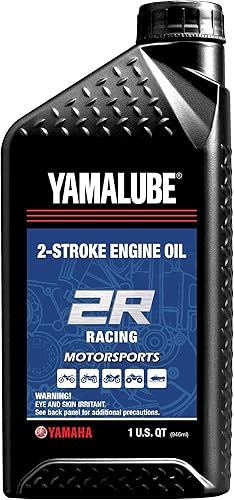
Yamaha Yamalube Racing 2R 2 Stroke Engine Oil- 1 Quart, #LUB-2STRK-R1-12

Quicksilver 25W-50 High Performance Marine Engine Oil
90430-08020 Lower Unit Oil Drain Gasket for Yamaha Outboard Motor

BarcoEquipado score: combines the average rating and the number of buyer reviews on Amazon. No brand pays to be featured.
First: is your outboard a 2-stroke or a 4-stroke?
That one question decides everything. A 2-stroke burns oil along with the gasoline. A 4-stroke has its own crankcase of oil that gets changed much like a car's. The two oils are not interchangeable.
- Premix 2-stroke: oil is added to the fuel at a ratio set by the manufacturer (commonly 50:1 or 100:1).
- Oil-injected 2-stroke: has its own oil tank and meters the oil by itself.
- 4-stroke: oil sump with a filter, changed by hours or by season.
Warning: do not use automotive or motorcycle oil just because it is also labeled 2- or 4-stroke. An outboard runs in a damp, salty environment under constant high load, so it needs corrosion-inhibiting additives and a marine-specific formula.
2-stroke oil: the TC-W3 rating
For a marine 2-stroke, look for NMMA TC-W3 on the label. It is designed for water-cooled engines and ensures the oil burns clean with little ash and does not foul spark plugs. It is the rating almost every manufacturer calls for.
| Type | When it makes sense |
|---|---|
| Mineral TC-W3 | Occasional use, older engines, tight budget |
| Semi-synthetic TC-W3 | The usual middle ground for regular weekend use |
| Full synthetic TC-W3 | Heavy use, cold starts, less smoke and carbon buildup |
Follow the mixing ratio in your manual. At 50:1 you need about 2.6 fluid ounces of oil per gallon of gas (20 ml per liter). Adding extra does not protect better. It just builds carbon and fouls plugs.
4-stroke oil: rating and viscosity
On a 4-stroke the label should read NMMA FC-W (for 4-stroke outboards) and usually a current API rating. The most common viscosity for outboards is 10W-30. Some larger engines or those used in hot climates call for 10W-40 or 25W-40. The final authority is always your manual.
Mineral, semi-synthetic or synthetic
- Conventional oil is fine if you follow the intervals and do not run the engine much.
- Semi-synthetic is the balanced choice for most owners.
- Full synthetic handles heat and cold starts better and pays off on engines used often or with high horsepower.
Do not mix 2-stroke and 4-stroke oils. If you switch type (conventional to synthetic), do it with a complete oil change, never by topping off.
Lower unit gear oil: a different oil
The lower unit, where the propeller gears live, takes its own gear oil, usually SAE 90 GL-5 or a manufacturer-specific lubricant. Change it at least once a year or every 100 hours.
When you drain it, check the color. Milky oil means water got past a seal. Metal flakes mean internal wear. Either way, have the lower unit looked at before the next trip. It ties directly into the life of your propeller and the shaft seals.
Tip: replace the drain and vent screw washers every time you change the gear oil. They cost little and prevent slow leaks.
When and how to change it
- 4-stroke engine: change oil and filter every 100 hours or once a year, whichever comes first. End of season is best so combustion acids do not sit in the sump all winter.
- Warm the engine for a few minutes (with water supplied, never dry) so the oil flows better.
- Drain through the plug or with an extraction pump through the dipstick tube.
- Refill to the mark with the engine upright and recheck the level after a few minutes.
- Collect the used oil and take it to a recycling center or the marina's disposal point. Never pump it into the bilge or overboard.
More routines and inspection points in our guide to outboard maintenance.
Common mistakes
- Using chainsaw or motorcycle 2-stroke oil without the TC-W3 rating.
- Overdoing the oil in the premix believing it protects more.
- Not checking the lower unit oil color, where a seal problem shows up first.
- Storing mixed fuel for months. It goes stale. For safe fuel storage, see our outboard fuel tanks.
- Leaving the engine unused all winter without changing the oil. Check the full task list in how to winterize a boat.
Frequently asked questions
What oil does a 2-stroke outboard use?
A marine oil with the NMMA TC-W3 rating, mixed with the gasoline at the ratio in your manual (often 50:1). Motorcycle or chainsaw oil is not suitable unless it carries that rating.
What viscosity does a 4-stroke outboard need?
The most common is 10W-30 with the NMMA FC-W rating, but some models call for 10W-40 or 25W-40. Always check your owner's manual.
How often should I change the oil in an outboard?
On a 4-stroke, every 100 hours or once a year, whichever comes first. The lower unit gear oil should be changed at least once a year or every 100 hours.
Can I use car oil in a 4-stroke outboard?
It is not recommended. Outboards run under high load in a damp, salty environment and need specific corrosion-inhibiting additives. Look for oil with the NMMA FC-W rating.