If you buy through our links, Amazon pays us a small commission at no extra cost to you. That’s how we keep the site running. How we choose.
Contents
Our top 3 picks
Stock checked on October 6, 2026


marine lubricants and corrosion inhibitors comparison, in stock
LubeTube 4oz O-Ring Grease (2-Pack) – Stops Leaks on Pump & Filter Seals – Non-Sticky Synthetic Grease for Pool…

Lucas Oil 10533 White Lithium Grease - 8 Ounce Squeeze Tube, 2 Pack
XBVV Food Grade Silicone Lubricating Plumber Grease for Waterproof Faucet Pool Filter O Ring 3-Pack 1 oz Tube with Brush

Finish Line Premium Grease Bikes Waterproof Extreme Pressure 1 lb Tub

Lucas Oil Products 8072382 16 oz Marine Grease
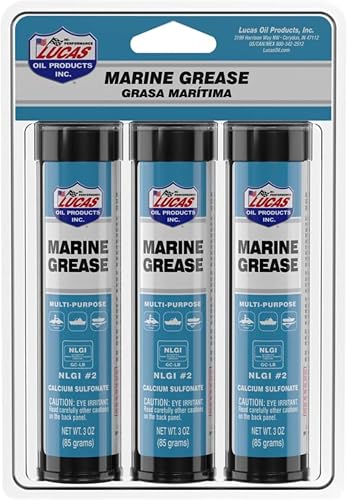
Lucas Oil 10682 Marine Grease 3 Ounce Combo Pack
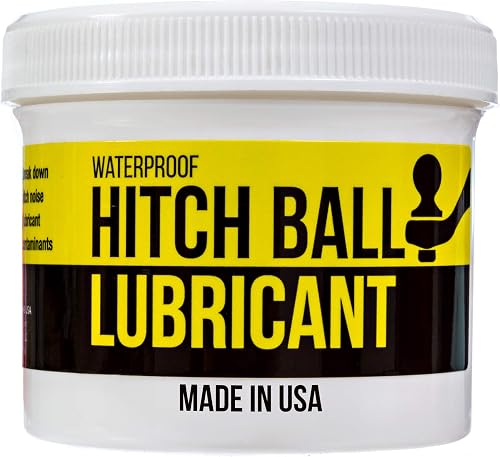
Mission Automotive Ball Grease for Trailer Hitch - 4 Oz, 1 Pack - Waterproof Hitch Grease & Tow Ball Lubricant for…
BarcoEquipado score: combines the average rating and the number of buyer reviews on Amazon. No brand pays to be featured.
Why lubrication matters on a boat
Salt water, humidity and sun attack moving parts and electrical connections. A dry winch, a seized lock or a corroded terminal are all avoidable problems. Lubricant reduces friction and displaces water; a corrosion inhibitor leaves a film that protects metal from salt. There is no universal product: what suits a hinge does not suit a loaded bearing or an electrical connector.
Product types and what each is for
| Product | What it does | Where to use it |
|---|---|---|
| Penetrating oil | Loosens rusted or seized screws and parts | Fasteners, hardware, shackles, latches |
| Marine corrosion-inhibitor spray | Leaves a water-displacing film that protects metal | Outboard, wiring, hardware, fuse boxes |
| PTFE or silicone spray | Clean, dry lubrication that does not attract dirt | Slides, zippers, blocks, locks |
| Marine grease | Heavy lubrication that resists washout | Winches, windlasses, bearings, propeller shafts, threads |
| Dielectric grease | Insulates and protects electrical connections from moisture | Connectors, battery terminals, bulb sockets, plugs |
| Anti-seize compound | Stops threads from galling together | Stainless fasteners, spark plugs, props, outboard bolts |
Tip: if you only buy one product, make it a marine corrosion-inhibitor spray with PTFE. It covers most routine maintenance aboard.
Where to apply each one
- Winches and windlasses: marine grease on the gears and light oil on the pawls, per the manufacturer's instructions; do not mix oil and grease without checking.
- Locks, hinges and latches: PTFE or silicone spray; avoid heavy oil, which attracts sand and salt. See also stainless hinges and latches if they need replacing.
- Electrical connections: dielectric grease on outboard connectors, navigation lights and battery terminals; never on live contacts without disconnecting first.
- Stainless threads: anti-seize on stainless bolts and screws threading into stainless or aluminum, to prevent galling.
- Outboards: corrosion-inhibitor spray on the exposed block and wiring after every salt-water outing; crankcase oil is another matter, see the right outboard oil.
- Knives and tools: a drop of light oil protects sailing knives and pliers kept in the locker.
How to apply them properly
- Clean and dry the part with a rag or a stainless cleaner if there is surface rust.
- Apply a thin coat; excess attracts dirt and drips onto the gelcoat.
- Work the part several times so the product gets into the mechanism.
- Wipe off the excess, especially on deck, where lubricant can make the surface slippery.
- Repeat at the interval the manufacturer suggests, or at least at the start and end of each season.
Watch out: do not spray lubricant on the deck, non-skid surfaces or near a winch brake. An oily deck is a fall risk, and lubricant on a friction surface stops the brake from gripping.
Common mistakes
- Using an all-purpose degreaser as a lubricant: it loosens but does not protect; you still need a protective film afterwards.
- Mixing silicone with paint or varnish jobs: silicone contaminates surfaces you plan to paint or bond; if you will use sealants, avoid spraying silicone in that area.
- Forgetting electrical connections: corrosion in a connector causes more failures than many mechanical faults.
- Storing cans in the engine compartment: heat degrades the propellant and the cans rust.
For the rest of your maintenance gear, the onboard tool kit covers the basics. The products above were chosen from spec sheets and verified customer reviews, not our own tests.
Frequently asked questions
What lubricant should I use on a boat?
It depends on the part: penetrating oil to loosen, PTFE or silicone spray for locks and slides, marine grease for winches and bearings, dielectric grease for electrical connections and anti-seize for stainless threads.
Is WD-40 good for boats?
It is useful for loosening parts and displacing moisture, but it is not a lasting lubricant or protection. Follow it with a marine grease or corrosion inhibitor that leaves a stable film.
What is dielectric grease used for?
It seals electrical connections from water and salt and keeps them from corroding. It goes on connectors, battery terminals and bulb sockets, before or after making the connection per the product instructions.
How often should I lubricate my boat?
At least at the start and end of each season, and after outings with a lot of salt spray. Winches, locks and electrical connections benefit the most.


