If you buy through our links, Amazon pays us a small commission at no extra cost to you. That’s how we keep the site running. How we choose.
Contents
Our top 3 picks
Stock checked on October 6, 2026


sailing knives comparison, in stock
Mustad Sea Demon, Forged, Knife Edge, Tapered Brazed Ring - 7/0
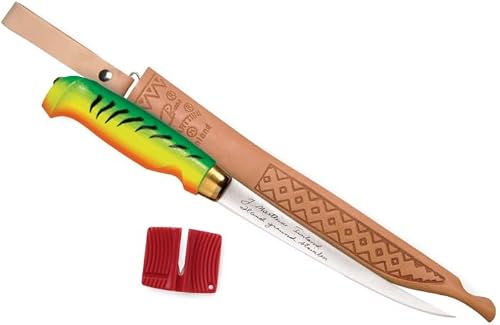
Rapala 6" Fish n Fillet Firetiger Knife with Sharpener, Full Tang Blade with Single Stage Sharpener
Knife Lanyard Beads - Lost-Wax Cast Paracord Bead for Knife, w/ 550-Slot, Brass Paracord Beads for EDC/Survival Kits…
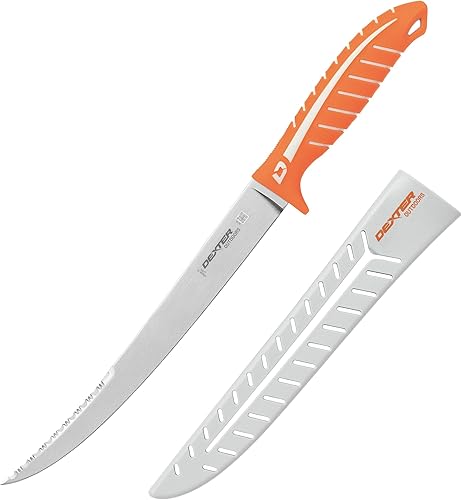
Dexter Outdoors Dextreme Dual Edge 10" Stiff Fillet Knife with Sheath

SST - Drag Knife - ¼” Hardened Steel Shaft - Cuts Wood Veneer, Plastic, Leather & More - Precision Thumbscrew for Easy…
XXL EDC Leather Sheath for Leatherman Multitools, Belt Sheath Pocket Organizer for 5 inch Knives Tactical Flashlights…

Topstache Handmade Leather Pocket Knife Sheath for Belt,EDC Belt Folding Man,Cross Draw Left Side Carry Open Top 5 inch…

BasicGear Fishing Multi-Tool Scissors, 440A Stainless Steel
BarcoEquipado score: combines the average rating and the number of buyer reviews on Amazon. No brand pays to be featured.
What a sailing knife is for
Aboard, you use it all the time: cutting a fouled line, opening packaging, trimming hose and tape, freeing a tight knot, or handling an emergency such as a sheet under load or a fishing net wrapped around the prop. That is why it differs from a camping knife: a corrosion-resistant blade, a reliable lock, a non-slip handle and often a marlinspike for working knots.
Steel and corrosion resistance
Salt water attacks ordinary steel within hours. For marine use, look for:
- Mid-to-high grade stainless steels (for example 420HC, 440C or Sandvik 12C27): they balance edge retention and rust resistance.
- H1 and other marine-grade steels: practically immune to corrosion, ideal if the knife lives on your belt or PFD.
- Titanium blades: they will not rust, but lose their edge sooner and cost more.
Avoid carbon steels or very cheap stainless, which pit and leave rust stains. Even so, no stainless is invulnerable: rinse with fresh water and dry it.
Blade types and what they offer
| Blade | Advantage | Best for |
|---|---|---|
| Rounded tip (sheepsfoot) | Cuts cleanly, will not stab by accident | Line, sails and deck work in motion |
| Plain edge | Clean cuts, easy to sharpen | Thin line, tape, bags |
| Serrated | Bites into synthetic fibers and thick rope | Dyneema, anchor rode, emergencies |
| Combination (part plain, part serrated) | Gets the best of both | General use aboard |
| With marlinspike | Works knots and opens shackles | Sailing |
Tip: a rounded-tip blade lowers the risk of stabbing yourself when the boat is moving or your hands are wet. It is the design most sailors carry.
Lock, grip and safety
- Safety lock (liner lock, frame lock or similar): keeps the blade from closing on your fingers when cutting a loaded line.
- One-hand opening: essential when your other hand is holding on to the boat.
- Non-slip handle: rubber, nylon or textured G10 that stays grippy when wet.
- Lanyard hole or cord: lets you clip it to a PFD, harness or belt so it does not go overboard.
- Floating models: some float; either way, a lanyard is the best protection.
Watch out: laws on carrying knives vary by state, city and location. Check local regulations before carrying one off the boat, and keep it away from children.
Care and good habits
- After every trip, rinse in fresh water and dry completely, including the lock mechanism.
- Put a drop of marine lubricant or light oil on the pivot; the right lubricant and corrosion inhibitor extends its life considerably.
- Sharpen the edge with a stone or pocket sharpener before it dulls; a dull blade slips and is more dangerous.
- Keep it somewhere accessible, not at the bottom of a locker, and do not leave it open on deck.
Pair it with a waterproof flashlight in your emergency bag and with the dock lines you use most. The models above were chosen from spec sheets and verified customer reviews, not our own tests.
Frequently asked questions
What is the best knife for a boat?
A quality stainless steel knife with a safety lock, one-hand opening and a non-slip handle. A rounded tip and a combination plain-and-serrated blade are the most versatile for line and deck work.
Which steel resists salt water best?
H1 and good stainless steels like 440C or 12C27 hold up well. Titanium does not rust but loses its edge sooner. Either way, rinse the knife in fresh water and dry it.
Plain or serrated blade for cutting rope?
Serrated grips synthetic fibers and thick rope better; plain cuts cleaner and is easier to sharpen. A combination blade offers both and is a good general choice.
How do I maintain a sailing knife?
Rinse with fresh water, dry thoroughly and put a drop of oil or marine lubricant on the pivot. Sharpen the edge regularly and store it somewhere dry.


