If you buy through our links, Amazon pays us a small commission at no extra cost to you. That’s how we keep the site running. How we choose.
Contents
sail repair kits comparison, in stock

T.W Evans Cordage 11417 2-Ounce Wax Sail Kit with Needle, White





What a sail repair kit should include
The sail is a sailboat's engine and canvas protects deck and crew. A small tear left alone spreads in the wind and ends with a ruined sail. A well-built kit costs little and saves a lot of trouble.
| Item | What it does | Tip |
|---|---|---|
| Sail repair tape | Seals tears and small holes right away | Must resist water and stick to clean, dry fabric |
| Dacron and nylon patches | Reinforce damage before sewing | Match the material to your sail |
| Sailmaker's needles and palm | Hand sewing with force | Carry several sizes and a sailmaker's palm |
| Waxed polyester thread | UV and saltwater-resistant stitching | Polyester, not cotton, which rots |
| Grommets and setting tool | Rebuild torn eyelets | Check diameter and material |
| Sharp knife or scissors | Cut patches and line cleanly | Keep the blade covered |
| Bolt rope and reinforcement tape | Repair batten pockets and edges | A few feet is enough |
To round out your repair box, see self-fusing tape and marine sealants.
How to choose the right kit
- For emergency repairs: a quality adhesive tape and a few patches. Ideal if you only need to get back to port.
- For lasting repairs: needles, waxed thread, a palm and patches. It takes a little practice, but the stitching lasts the season.
- For canvas and bimini tops: UV thread, acrylic or PVC fabric patches and the right adhesive.
- For spinnakers and gennakers: lightweight self-adhesive nylon tape; Dacron is too heavy.
Check that the tape tolerates ambient humidity and that the case is watertight. A zip bag and a small bottle of isopropyl alcohol to clean the fabric are useful extras.
Tip: round the corners of patches with scissors. Square corners peel sooner because the wind lifts them.
How to repair a tear with tape and with stitches
Quick repair with tape
- Drop or furl the sail, wipe off salt with a damp cloth and let it dry.
- Line up the edges of the tear with no wrinkles.
- Cut a patch with rounded corners that covers the tear by at least 1 in (2 to 3 cm) on every side.
- Apply it to one side, smooth from the center out, then repeat on the other side.
- Press firmly for a few minutes and let it set before hoisting in strong wind.
Repair with stitching
- Place the patch on one side and hold it with double-sided tape or tacking stitches.
- With needle and waxed thread, sew a zigzag with stitches about 1/8 in (3 mm) long.
- Finish with a knot and carefully melt the thread end with a lighter.
Warning: adhesive tape is a temporary fix. If the damage is on a seam, a tack corner or a high-load area, take the sail to a professional sailmaker.
Looking after sails and canvas to prevent tears
- Rinse sails with fresh water and dry them before storing.
- Prevent chafe on shrouds and spreaders with spreader boots.
- Do not let the sail flog in strong wind: flogging does the most damage.
- Shield the sail from sunlight with a UV cover or a sail cover.
- Inspect seams, grommets and edges at the start of each season.
For canvas upkeep, see canvas cleaners and our sailboat equipment recommendations. You might also want the essential tools to carry aboard.
Common mistakes
- Putting tape on wet or dirty fabric: it will not stick.
- Using cotton or cheap thread: it rots or breaks in sunlight.
- Using patches with square corners.
- Repairing with packing or duct tape: it peels and leaves residue.
- Storing the sail wet and folded, which breeds mildew.
Frequently asked questions
What should a sail repair kit contain?
Sail repair tape, Dacron or nylon patches, sailmaker's needles, a palm, waxed polyester thread, grommets, and scissors or a knife. That handles everything from a small tear to a ripped grommet.
Is sail repair tape a permanent fix?
No, it is a temporary repair, though a very effective one for getting home or finishing the season. For seams, load corners or high-tension areas a stitched repair by a professional sailmaker is better.
Can I repair bimini canvas with the same kit?
Partly. Tape and UV thread work for small tears, but acrylic or PVC canvas may need patches and adhesive made for that material.
What thread do you use to sew sails?
Waxed polyester thread, which resists UV, saltwater and abrasion. Avoid cotton, which rots in a marine environment and loses strength quickly.
 iPhone and Android app Marine Tools: everything a skipper works out on board Anchor alarm, GPS, wind and wave forecast, animated knots and 45 marine calculators. Free download · no sign-up · works offline App Store
You may also like
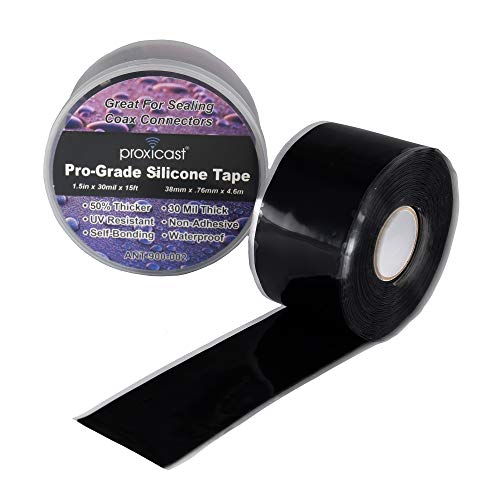 ComparisonSelf-fusing silicone tape and repair tapeSelf-fusing silicone tape bonds to itself and forms a sealed, flexible layer with no adhesive. It is a staple of any emergency kit: use it on hoses, wires, hardware and temporary repairs.
 ComparisonMarine sealants and siliconesFor most deck hardware, a semi-permanent polyurethane or MS hybrid is the right call; silicone is for interior joints. Here is what goes where.
 ComparisonSailing knivesA sailing knife must cut a loaded line, open with one hand and not rust on its first trip. Here is which steel, blade and lock suit the way you use it.
- ComparisonMarine canvas and vinyl cleanersFor canvas, biminis and covers, use a dedicated canvas cleaner followed by a waterproofer; for vinyl, a mild cleaner and a UV protectant. Against mildew, dry and ventilate.
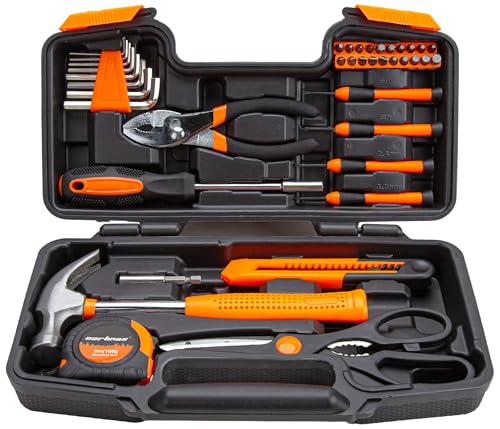 ComparisonBoat tool kitsA good onboard kit is compact, protected against corrosion, and covers what actually fails offshore: fasteners, wiring, hoses and the engine. Here is how to choose without paying for tools you will never touch.
- GuideSailboat Equipment Checklist: What to Carry, by PrioritySailboat equipment by category: required safety gear, life jackets and harnesses, deck hardware, anchoring, navigation and power. A coastal cruising list.
- GuideEssential Boat Tools to Carry Aboard: What to PackWhich tools to carry aboard for your boat: basic kit, electrical kit, emergency repairs, spares and how to keep corrosion from destroying your tools.
- GuideAnchor Chain Guide: Size, Length and Types for Your BoatWhat size and how much anchor chain your boat needs: calibrated vs long-link chain, galvanized vs stainless, connections to anchor and rode, and care.