If you buy through our links, Amazon pays us a small commission at no extra cost to you. That’s how we keep the site running. How we choose.
Contents
Our top 3 picks
Stock checked on October 6, 2026
self-fusing silicone tape and repair tape comparison, in stock
Proxicast Self Fusing Silicone Tape Waterproof - 1.5" x 15' Roll - Black

4 Rolls Self-fusing Silicone Tape 1'' X 10-Feet Self Bonding Repair Tape Silicone Grip and Wrap Repair Tape Rubber…
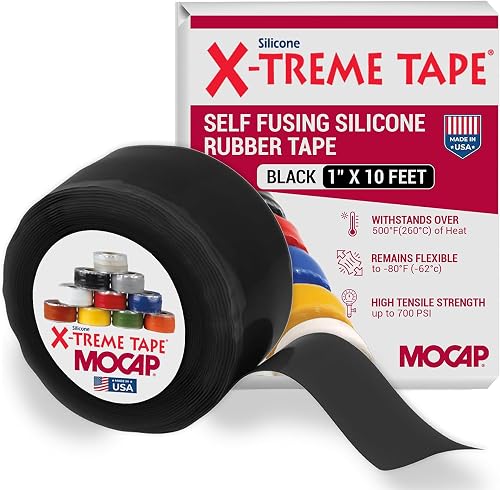
X-Treme Tape Self Fusing Silicone Tape - 1 Inch x 10 Ft Roll - Black

CLAVICHORD Seal Self Fusing Silicone Tape - 1 Inch Wide and 15 Feet Long
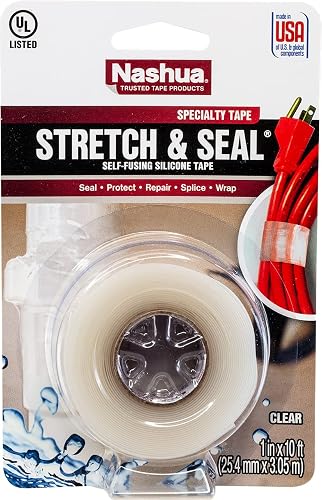
Nashua - 1 in. x 10 ft. Stretch & Seal Self-Fusing, Non-Adhesive Silicone Tape, Clear, 1 Roll
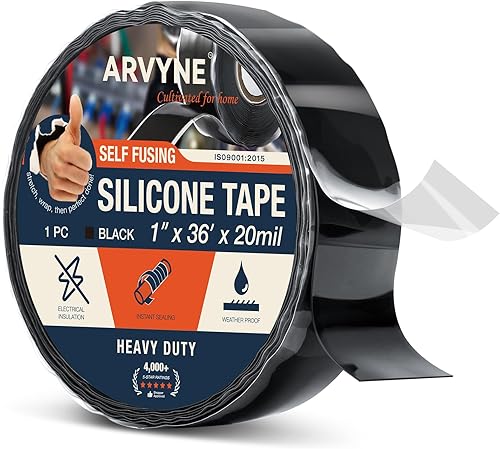
Self Fusing Silicone Tape 1" x 36' - Rubber Emergency Repair Tape

XFasten Self Fusing Silicone Tape Waterproof – 1" x 36 Feet Black, Self Amalgamating Tape, Silicone Rubber for…

XFasten Self Fusing Silicone Tape Waterproof Clear – 1" x 36 Feet, Self Amalgamating Tape, Silicone Rubber for…
BarcoEquipado score: combines the average rating and the number of buyer reviews on Amazon. No brand pays to be featured.
What it is and how it works
Self-fusing tape (also called self-amalgamating or fusion tape) has no adhesive. When you stretch it and wrap it with overlap, the silicone fuses to itself within minutes into a continuous, gap-free, waterproof and elastic sleeve. That is why it is so useful aboard: it leaves no sticky residue, you remove it by cutting, and it handles salt water, UV and temperature swings far better than PVC electrical tape.
It is a temporary or maintenance repair, not a substitute for a broken part that works under pressure. Use it to buy time until you can replace the part.
Common uses aboard
- Cooling, bilge or freshwater hoses: seals a small crack or reinforces a leaking joint until you can replace it.
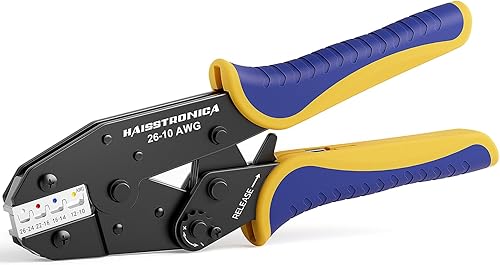
- Electrical connections: covers a splice or crimped terminal to insulate it from moisture; it pairs very well with good crimpers and terminals.
- Hardware protection: wraps cotter pins, shackles and shroud terminals so they do not tear sails, lines or hands.
- Grips: improves the hold on tool handles, fishing rods and rails.
- Emergency repairs: plugs a leak in a pipe, secures a broken lifeline or insulates a bare wire.
How to choose the right tape
| Criterion | What to check | Recommendation |
|---|---|---|
| Material | 100% silicone vs. blends | Pure silicone: better UV, salt and temperature resistance |
| Width | 3/4 to 2 in | 1 in is the most versatile for hoses and wires |
| Roll length | 3 to 30 ft | 10 to 15 ft per roll for the onboard kit |
| Color | Black, red, white, clear | Black for general use; clear to see the wire; red and white for marking |
| Temperature range | Manufacturer data | Check it covers hot engine areas if you use it there |
| Packaging | Single roll or multicolor set | A set is better value for varied uses |
Tip: keep the roll in its original bag or an airtight bag, away from light and heat, and do not leave it in the engine compartment: it lasts for years, but exposed silicone hardens over time.
How to apply it step by step
- Clean and dry the area. Wipe off oil, salt and dirt; the tape bonds to itself, not to grease.
- Cut the tape with scissors (do not tear it) and start about 1 inch before the leak or splice.
- Stretch the tape to about twice its length as you wrap. Stretching is what triggers the fusion.
- Wrap with at least a 50% overlap and continue about 1 inch past the damaged area.
- Press with your fingers at the end so the layers bond, and wait a few minutes before subjecting it to pressure or heat.
Watch out: tape does not replace a damaged fuel hose, exhaust pipe or gas line. Those parts must be replaced. Use tape only as an emergency fix until you reach port.
Alternatives and common mistakes
- PVC electrical tape: cheaper, but it dries out, peels in humidity and does not seal like silicone.
- Sealants: for fixed joints and structural leaks, marine sealants and silicones are better; tape is for quick, reversible repairs.
- Typical mistake: not stretching it enough, so the layers do not fuse and the wrap loosens.
- Another mistake: applying it over wet, oily or rusty surfaces without cleaning.
- For sails and canvas there are longer-lasting fixes: see the sail and canvas repair kit.
The products above were chosen from spec sheets and verified customer reviews, not our own tests. Always carry a couple of rolls in your emergency kit alongside your basic tools.
Frequently asked questions
What is self-fusing tape and what is it for on a boat?
It is an adhesive-free silicone tape that fuses to itself when stretched and wrapped. On a boat it seals hoses, insulates electrical splices, protects hardware and handles emergency repairs.
Does it hold up to salt water and UV?
Yes. Silicone resists salt water, UV and temperature swings very well, better than PVC electrical tape. The repair is still temporary, though, and the damaged part should be replaced.
How far should I stretch the tape when applying it?
To about twice its length, overlapping at least half the width on every turn. If it is not stretched, the layers do not fuse properly and the repair loosens.
Can I use it on a fuel hose?
Not recommended. A damaged fuel hose or exhaust must be replaced. The tape is only a temporary emergency fix on water or cooling circuits.