If you buy through our links, Amazon pays us a small commission at no extra cost to you. That’s how we keep the site running. How we choose.
Contents
Our top 3 picks
Stock checked on October 6, 2026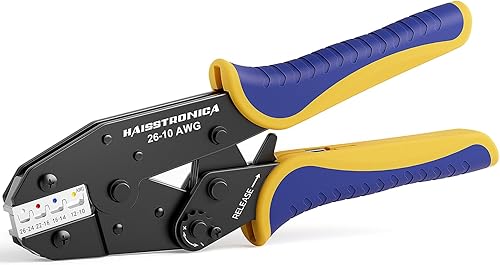


wire crimpers and marine terminals comparison, in stock
haisstronica Crimping Tool for Heat Shrink Connectors, AWG 26-10, HS-8327
AMZCNC Hammer Lug Crimper Tool - 0000 AWG Battery and Welding Cables(8 AWG TO 4/0 Wire Gauge)

Klein Tools 80013 Klein Tools 80013 Wire Stripper/Ratcheting Crimper, Electrical Crimping Tool Kit with Automatic Wire…

haisstronica 260PCS Heat Shrink Ring Terminals, 22-10 AWG, 3 Colors 4 Sizes

Klein Tools 3005CR Wire Crimper Tool, Ratcheting Insulated Terminal Crimper for 10 to 22 AWG Wire
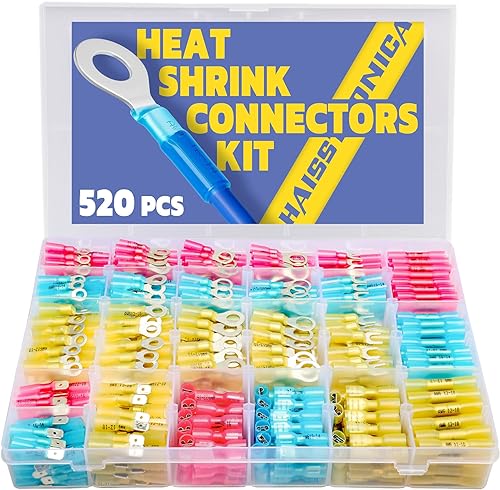
haisstronica 520PCS Heat Shrink Wire Connectors, 22-10 AWG, 3Colors/24Sizes

haisstronica Wire Stripper and Crimper Set, AWG 26-10 for Heat Shrink
TICONN 120 Pcs Heat Shrink Wire Connectors, Marine Crimp Ring Terminal Kit
BarcoEquipado score: combines the average rating and the number of buyer reviews on Amazon. No brand pays to be featured.
Why crimp instead of twisting or soldering
On a boat, vibration, moisture and salt attack every connection. A twisted splice wrapped in electrical tape ends in intermittent contacts and green corrosion. Solder-only joints are not ideal either: solder wicks into the strands and makes the wire stiff right at the joint, so vibration breaks it. A proper crimp gives a compact mechanical connection that is watertight with heat-shrink terminals and lasts much longer.
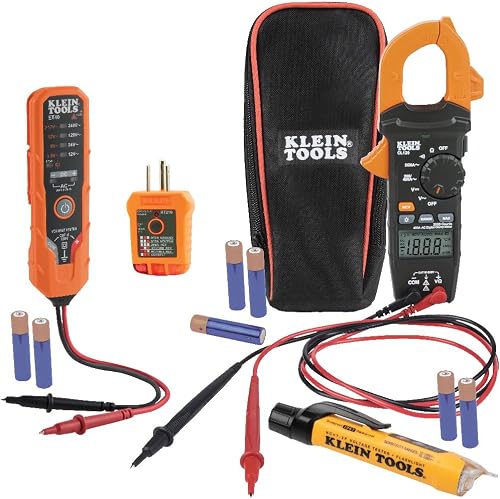
Before you start, locate the fault with a multimeter: often the problem is a loose terminal, not the device.
Types of crimping tools
- Basic plier-style crimper: cheap and fine for small insulated terminals, but pressure depends on your grip and results vary.
- Ratcheting crimper: will not release until the cycle is complete, so every crimp is consistent. Best value for boat wiring.
- Battery lug crimper: lever or hydraulic, for heavy cable from 6 AWG to 4/0 that a standard crimper cannot handle.
- Interchangeable-die crimper: covers insulated, uninsulated and open terminals and sealed connectors.
Tip: a ratcheting crimper with an insulated-terminal die covers about 90% of the work on a recreational boat: lights, pumps, VHF, chargers and panels.
Terminals and wire sizes
| Color code | Wire size (AWG) | Typical use aboard |
|---|---|---|
| Red | 22 to 16 | LED lights, sensors, signal wires |
| Blue | 16 to 14 | Small pumps, VHF, USB and 12V sockets |
| Yellow | 12 to 10 | Bilge pumps, chargers, fans |
| Battery lugs (ring) | 6 to 4/0 | Batteries, alternator, starter, inverters |
For a boat, choose tinned copper terminals and, ideally, adhesive-lined heat-shrink ones: when heated, the adhesive seals the joint against water. Untinned brass terminals corrode quickly. Always match the terminal size to the wire, and use tinned marine-grade fine-strand copper wire.
How to make a reliable crimp step by step
- Cut the wire cleanly and strip only what fits in the terminal barrel (usually 1/4 inch).
- Do not cut off strands or leave any loose: all of them must go into the barrel.
- Place the terminal in the correct die with the seam facing the right way.
- Crimp until the ratchet releases. Do not squeeze halfway.
- Give the wire a firm tug: if it moves, redo it with a new terminal.
- With heat-shrink terminals, heat with a heat gun until a little adhesive shows at the ends.
Watch out: do not crimp terminals with the wire-stripper notch. The wrong die leaves a weak crimp that heats up and can start a fire in high-current circuits.
Common mistakes and care
- Using non-insulated terminals where water can drip or touch a ground.
- Mixing sizes: a small terminal on heavy wire heats up and comes loose.
- Skipping boots or heat-shrink on bilge connections.
- Leaving the crimper damp: clean it and lightly lubricate the joints at season's end.
- Not protecting exposed connections with a corrosion inhibitor or self-fusing silicone tape in very damp areas.
For a full installation, a box with a basic set of tools and a good crimper will save you trouble. The models above are chosen from spec sheets and verified customer reviews, not our own tests.
Frequently asked questions
What crimper should I buy for a boat?
A ratcheting crimper with insulated-terminal dies handles most 12V work. If you work with heavy battery cable, you need a dedicated lever or hydraulic lug crimper.
Is it better to crimp or solder boat terminals?
Crimping is recommended on boats, because solder stiffens the wire and it breaks under vibration. A correct crimp with a tinned, heat-shrink terminal is more reliable and moisture-resistant.
What terminals should I use on a boat?
Tinned copper and, ideally, adhesive-lined heat-shrink types. Avoid untreated brass, and match the size to the wire gauge: red, blue or yellow depending on thickness.
How do I know a crimp is good?
The terminal is tight, no strands are sticking out, and it does not move when you tug the wire hard. If it slips or the insulation tears, redo it with a new terminal and the correct die.