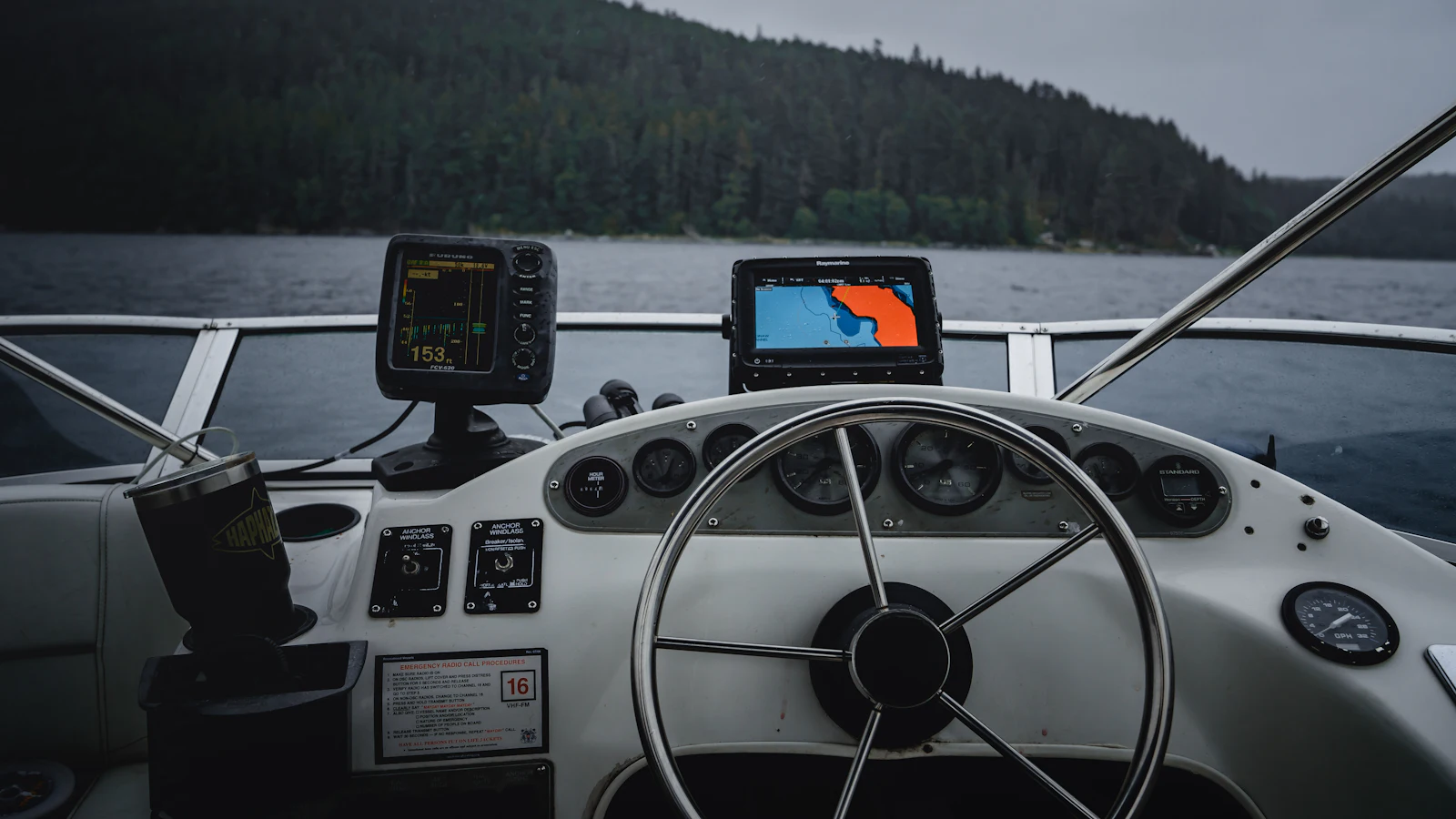
Electronics & power
Marine electronics and electrical systems: chartplotters, fish finders, VHF radios, antennas, lithium batteries, chargers, solar panels, inverters and LED navigation lights.
11 comparisons
electronics & power comparisons
 Marine GPS and fishfinders A good chartplotter and fishfinder combo puts charts, GPS position and depth on one screen. What matters is screen size, the transducer and the charts, not the feature count. See comparison →
 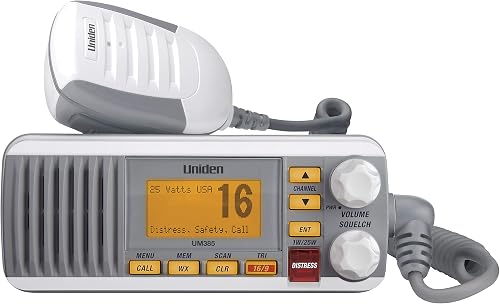 Handheld marine VHF radios A good handheld VHF is the backup radio that fits in one hand. Look for one that floats, is waterproof and has DSC with GPS, and that lasts a full day on the water. See comparison →
  Marine VHF antennas The antenna is half the radio: a 25-watt VHF with a low antenna or a corroded cable reaches less than a handheld. Here is how to pick length and gain, which cable to use and how to share the antenna with AIS. See comparison →
 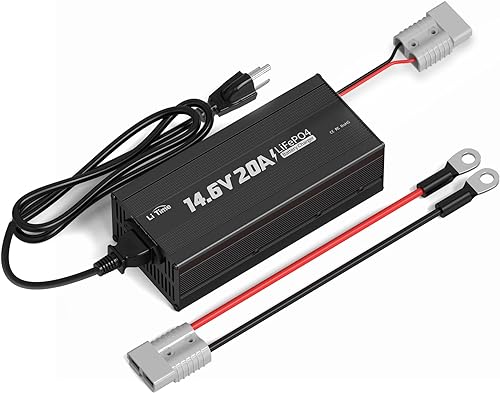 Marine lithium batteries A LiFePO4 lithium battery weighs half as much, lasts far more cycles and gives more usable capacity than lead-acid. What matters is sizing your load, checking the BMS and charging it correctly. See comparison →
  Boat horns A horn is the piece of gear many boaters buy without thinking, then find out in fog or a tight inlet that it is barely audible or the can is empty. Here is which type to choose and which signals to know. See comparison →
 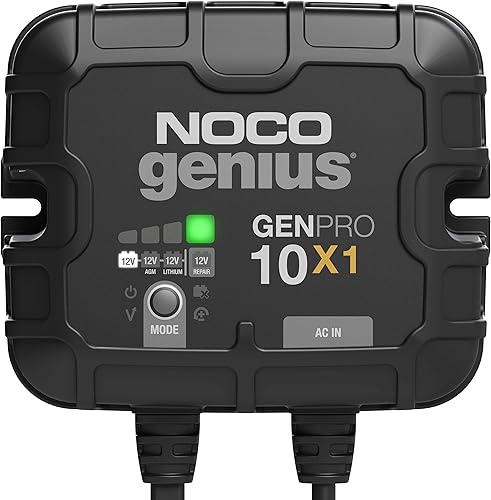 Marine battery chargers The right charger depends on your battery capacity, its chemistry and how many banks you have. A multi-stage charger with the correct profile extends battery life and avoids nasty surprises. See comparison →
  Marine battery switches and panels The battery switch cuts the batteries off from the whole boat with one turn; the panel distributes and protects each circuit. They are two inexpensive parts that prevent fires and breakdowns, so choose them carefully. See comparison →
  Boat power inverters An inverter turns your 12V battery into 120V AC for charging a laptop or running a coffee maker. Wattage is only part of it: waveform, cable, fuse and the battery behind it matter just as much. See comparison →
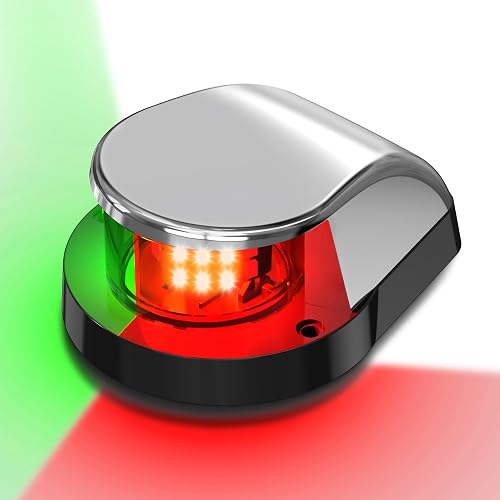
  LED navigation lights LED navigation lights draw a fraction of the power of incandescent bulbs and last far longer. Before you buy, know which lights your boat must show for its length and type, and that they are certified. See comparison →
  Marine solar panels A solar panel keeps your batteries topped up with no noise or fuel. The key is sizing the watts to your load, choosing the right charge controller and avoiding shade. See comparison → Portable fish finders A portable fish finder shows you the bottom and the fish without installing anything on the boat: cast it with a rod, tow it or clamp it to the gunwale. Here is which type fits how you fish and which specs matter. See comparison →
 Best sellers right now
 Marine solar panels
 Renogy Solar Panels 100 Watt, N-Type Solar Panel 25%…
8.9 BarcoEquipado score: 8.9 out of 10
 Boat power inverters
 Renogy Inverter P2 1000W Pure Sine Wave Inverter 12V DC to 120V…
8.1 BarcoEquipado score: 8.1 out of 10
 LED navigation lights
 Obcursco Boat Navigation Lights, Red and Green LED Light, Boat…
8.9 BarcoEquipado score: 8.9 out of 10
 Marine battery chargers
 NOCO GEN5X3 12V 15A 3-Bank OnBoard Marine Battery Charger &…
8.9 BarcoEquipado score: 8.9 out of 10
Guides to help you choose
Fishing Boat Equipment: What to Buy First What to put on a 14 to 23 ft fishing boat: fish finder, rod holders, cooler, anchoring and safety gear, ranked by priority and boat size. Boat Solar Panel Guide: Sizing, Controller and Wiring How to size a 12V solar system for your boat: daily power budget, watts needed, rigid vs flexible panels, MPPT charge controller and safe wiring. Fixed vs Handheld VHF Radio: Which One Does Your Boat Need? Fixed or handheld VHF? Compare power, range, DSC, antenna and installation to decide which marine radio your boat really needs, plus when to carry both.