If you buy through our links, Amazon pays us a small commission at no extra cost to you. That’s how we keep the site running. How we choose.
Contents
Our top 3 picks
Stock checked on October 6, 2026

boat horns comparison, in stock
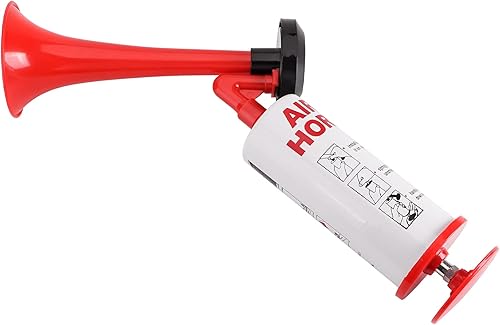
Air Horn for Safety HandHeld Pump Air Horn for Boats Sporting Noise Maker

FIAMM 5190512 Marine Horn with Stainless Steel Grill,1 Pack
Handheld Air Horn Aluminum+ABS Portable Air Pump Horn Loud Noise Maker Horn

FARBIN Marine and Sports Pump Air Horn,Loud Sound Handheld Signal Boat Horn,Personal Safety Horn Alarm,for B…


Pump Air Horn for Safety Airhorns Horn Loud Hand-held Air Horn for Boat

Reusable Air Horn, Handheld Air Pump Horn for Marine Safety Sporting Events
BarcoEquipado score: combines the average rating and the number of buyer reviews on Amazon. No brand pays to be featured.
What the rules require
In the United States, the US Coast Guard requires recreational boats to carry a means of making an efficient sound signal. Boats under 39.4 ft (12 m) do not need a specific whistle or bell, but they must have something that works; larger boats have more detailed requirements. The signals themselves are set by the Navigation Rules (COLREGS internationally, Inland Rules in many US waters). Check the current requirements for your boat size and waters. For the rest of the required gear, see safety equipment.
Tip: an electric horn is convenient, but it does not replace a manual or canned-air unit: those still work if the battery or the wiring fails.
Types of boat horns: air, manual and electric
| Type | Pros | Cons | Best for |
|---|---|---|---|
| Canned air or gas | Very loud, no installation | The can runs out; needs checking and replacing | Every boat, as primary or backup |
| Manual pump | No gas or battery needed, never runs out | Less loud; you have to pump it | Kayaks, inflatables, tenders, backup |
| Electric diaphragm or trumpet | Convenient, push-button operation | Depends on the battery; needs wiring and a fuse | Boats with a helm and an electrical panel |
| Recessed electric | Sits flush and protected | Costs more and is harder to install | Boats with clean decks |
How to choose
- Range and sound level: look for the decibel rating and the distance it was measured at; louder is not always better in a small marina, but in fog you will want it.
- Materials: stainless steel or technical plastic resistant to UV and salt. Avoid unprotected metal housings.
- Canned air with a holder: a fixed bracket stops the can from rolling around the deck and puts it in reach while maneuvering.
- Voltage and draw: electric horns are 12V or 24V; make sure they match your system.
- Refills: favor models that use standard cans that are easy to find.
Basic sound signals
The international rules define signals with short blasts (about one second) and prolonged blasts (four to six seconds). The most common ones between vessels in sight are:
| Signal | Meaning |
|---|---|
| 1 short blast | I am altering course to starboard |
| 2 short blasts | I am altering course to port |
| 3 short blasts | I am operating astern propulsion |
| 5 or more short, rapid blasts | I doubt your intentions or your action is unsafe |
In fog, a power-driven vessel making way sounds one prolonged blast at intervals of no more than two minutes; stopped and not making way, two prolonged. A sailboat under sail sounds one prolonged followed by two short. Note that US Inland Rules use the one-blast and two-blast signals as passing intentions, so read the rules for the waters where you boat.
Installation and care
- Canned air: keep the can away from heat, check pressure at the start of the season and carry a spare.
- Manual: lubricate the plunger and check the seal; a hand pump with dried-out rubber will not sound.
- Electric: mount it outside, facing forward, with the bell pointing down or protected from water. Feed it from the panel with its own fuse and a waterproof push button.
- Test the sound at the start of the season, before you need it.
- Protect the electrical contacts with a little dielectric grease to prevent corrosion.
Watch out: do not test an air horn next to your ear or close to other people: the sound level can damage hearing.
Common mistakes
- Buying only the electric one and having no battery-independent horn.
- Storing the can in a hot locker or next to heat sources, like the navigation lights and other equipment that gets warm.
- Not knowing what to sound in fog: learn the signals before you leave the dock.
- Wiring an electric horn with thin cable and no fuse.
The models above were chosen from spec sheets and verified customer reviews, not our own tests.
Frequently asked questions
Is a horn required on a recreational boat?
In the US, recreational boats must carry a means of making an efficient sound signal, and larger vessels have more detailed requirements. Check the current US Coast Guard rules for your boat length and the waters you use.
Is an electric horn enough on its own?
It is very handy for maneuvering signals, but it depends on the battery. It makes sense to carry a canned-air or manual horn too, which works even if the electrical system fails.
What do the horn blasts mean?
One short blast means altering course to starboard, two short to port and three short means operating astern. Five or more short, rapid blasts mean doubt about the other boat's intentions or an unsafe action. Inland Rules differ slightly.
How long does a canned-air horn last?
It depends on the can size and how long you sound it, but a standard can gives plenty of short signals. Check the pressure before each season and keep a spare can aboard.