
If you buy through our links, Amazon pays us a small commission at no extra cost to you. That’s how we keep the site running. How we choose.
Contents
Winterizing a boat means getting it ready for a long stretch without use, usually from October through April. Most first-trip-of-spring problems (an engine that won't start, a dead battery, mildew on the cushions) can be avoided with one organized afternoon in the fall.
Where freezing is a risk, ice damage is the headline concern. Even in mild climates, moisture, salt and storms do more harm than the cold. This guide goes system by system, from most urgent to most convenient, and works whether the boat stays in the water or goes on the hard.
In the water or on the hard: decide first
This choice drives half of your task list. Neither option is better in the abstract: it depends on your marina, your boat's size and whether you want to use it in winter.
| Factor | In the water | On the hard (dry storage) |
|---|---|---|
| Cost | Slip fees only | Haul-out, launch and yard storage |
| Hull | Stays submerged, bottom paint keeps working | Dries out; easy to inspect, clean and repaint |
| Risks | Storms, chafed lines, leaks, bilge pump battery | Poorly placed jack stands, rain pooling, freeze damage in plumbing |
| Availability | You can go out on a nice day | Out of action until launch |
If the boat stays afloat, it needs doubled dock lines with snubbers, well-placed fenders and an automatic bilge pump on a battery that stays charged. If you haul out, book the yard early: slots fill up in October and November.
Step 1: wash down and rinse off the salt
Salt is hygroscopic: it attracts moisture and keeps everything it touches damp for months. Before anything else, wash the whole boat with fresh water and boat soap: deck, cockpit, hardware, running lines and fenders.
- Gelcoat: clean and apply a coat of wax. To get started, see hull cleaners.
- Stainless: remove rust spots and leave a coat of protectant.
- Teak: gentle cleaning and full drying before covering.
- Canvas, bimini and cushions: wash and let dry completely. Stored damp, mildew is guaranteed.
- Bilge: clear out oil and debris so the pump doesn't clog.
If you haul out, pressure-wash the bottom as soon as it leaves the water, before growth hardens. Use the time to check zincs, prop and through-hulls.
Step 2: fuel
Stale fuel is the top cause of breakdowns on the first trip of the season. If the engine still won't start in spring, see why an outboard won't start.
Gasoline
- Ethanol-blended gas (E10) starts to degrade within one to three months and absorbs moisture. Enough water and the ethanol separates out and sinks to the bottom of the tank (phase separation).
- Add fuel stabilizer at the labeled dose and run the engine 5 to 10 minutes so treated fuel reaches the pump, filters and carburetor.
- Fixed tank: fill it to about 90-95% to cut air space and condensation.
- Portable tank on a small outboard: many mechanics prefer to shut off the fuel with the engine running until it stalls, which empties the carburetor bowl.
Diesel
- Fill to 90-95% to minimize condensation.
- Add a biocide if you've had sludge: water at the bottom is where bacteria and fungus grow.
- Change or drain the water-separating filter and check the bowl.
Step 3: engine
Outboard
- Flush the cooling system with fresh water for at least 10 minutes, using flush muffs.
- On four-strokes, change the oil and filter with the engine warm. Used oil holds acids that attack the engine if left in for months.
- Drain and refill the lower unit gear oil. If it comes out milky, water got in past a seal; repair it before the season. More in outboard oil.
- Protect the inside with fogging oil sprayed into the air intake with the engine idling, or through the spark plug holes with the engine off.
- Grease the fittings, steering and propeller shaft threads, and check the anodes.
- Store it upright so water drains from the lower unit, and covered.
The full service schedule is in our guide to outboard motor maintenance.
Inboard
- Oil and filter change with the engine warm, plus fuel filters.
- Raw-water circuit: flush with fresh water. Where freezing is possible, circulate non-toxic propylene glycol antifreeze through the intake until it comes out the exhaust.
- Closed cooling circuit: check coolant level and freeze protection.
- Check belts, hose clamps and heat exchanger anodes.
Step 4: fresh water, head and water heater
- Drain the fresh water tank, or leave only a little treated water. Open every faucet and the transom shower to empty the lines.
- Drain the water heater wherever freezing is a risk: it's the first thing to burst.
- Marine head: pump through fresh water with a little vinegar or a dedicated cleaner to dissolve scale, and empty the holding tank at an approved pump-out station.
- In cold regions, use RV or marine potable-water antifreeze (propylene glycol, never automotive ethylene glycol) and flush thoroughly in spring.
Step 5: batteries and electrical
- Lead-acid (AGM, gel, flooded): charge to 100%, check electrolyte on flooded cells and disconnect. A discharged lead-acid battery sulfates within weeks and can freeze in hard cold.
- Lithium (LiFePO4): follow the manufacturer; most call for storage at partial charge with no loads.
- A maintenance charger on shore power or a small solar panel with a controller prevents drain on boats left afloat.
- Spray terminals and connectors with corrosion inhibitor and take portable electronics home.
Warning: don't disconnect the battery that feeds the automatic bilge pump on a boat left in the water. Disconnect only the rest of the circuits.
Step 6: interior, moisture and mildew
The real winter enemy for most boaters isn't ice, it's moisture. A boat shut up for four months in a humid harbor ends up with mildew on cushions, headliners and lockers.
- Take out cushions, clothing, towels and sails. If you can't, stand them on edge so air gets around them.
- Remove food and anything that attracts insects or rodents.
- Empty the fridge, clean it, dry it and prop the door open.
- Leave lockers, drawers and bilge access hatches open.
- Put moisture absorbers in the cabins and head, and check them midwinter.
- Leave passive ventilation that keeps rain out.
Step 7: deck, rigging and cover
- Sails: wash with fresh water, dry completely and store folded somewhere dry.
- Running lines: rinse in fresh water; salt stiffens them and wears them from the inside.
- Winches and clutches: clean and lightly lubricate.
- Check the sealant around stanchions, ports and hardware: winter rain finds every leak.
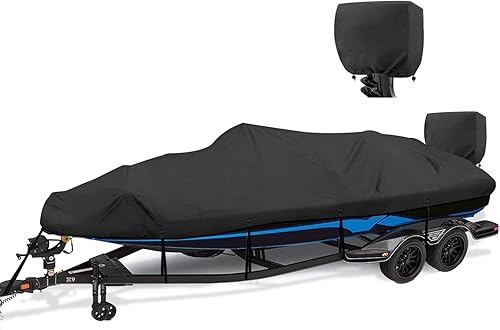
- Cover the boat with a breathable boat cover, pulled tight so it can't pool water.
Tip: sealed plastic wrap with no ventilation makes condensation worse. Whatever you use must let air circulate.
End-of-season checklist
| System | Must-do task |
|---|---|
| Fuel | Stabilizer or biocide, tank nearly full, engine run |
| Engine | Oil, lower unit, fogging, flush |
| Water | Tank and heater drained, head flushed |
| Batteries | Charged, disconnected, bilge pump powered |
| Interior | Textiles out, absorbers in, ventilation |
| Hull and lines | Doubled lines, fenders, cover tight |
When spring comes, run through the pre-departure checklist before you cast off.
Recommended gear for this guide

Frequently asked questions
What does it mean to winterize a boat?
It means preparing the boat for a long period without use, typically winter: protecting the engine and fuel, preventing moisture and mildew, caring for batteries and water systems, and protecting the hull and hardware, whether it stays in the water or goes on land.
Is it better to keep a boat in the water or on land over winter?
On land the hull dries out and you can inspect the bottom, but you pay for haul-out and storage. In the water it's cheaper and the boat stays available, but it needs doubled lines, an automatic bilge pump on a charged battery and checks after storms.
Should the fuel tank be full or empty for winter?
For fixed tanks, nearly full (90-95%) to cut air and condensation, with stabilizer in gasoline and biocide in diesel. For small portable outboard tanks, many mechanics prefer to empty the carburetor and not leave old gas sitting.
How long does gas last in a boat's tank?
Ethanol-blended gasoline starts to degrade in one to three months: it loses volatile components, forms gum and absorbs moisture. With stabilizer added and the engine run a few minutes so it reaches the whole system, it holds up fine through winter.
What should I do with the batteries over winter?
Charge lead-acid batteries to 100%, disconnect them and keep them on a maintenance charger, or recharge monthly. Store lithium batteries according to the manufacturer, usually at partial charge.