If you buy through our links, Amazon pays us a small commission at no extra cost to you. That’s how we keep the site running. How we choose.
Contents
Our top 3 picks
Stock checked on October 6, 2026


boat moisture absorbers and dehumidifiers comparison, in stock
Absorbking Silica Gel Packets, 20 Gram 80 Packs Food Safe Moisture Absorbers, Desiccant Packs for Storage, Reusable…
DryTote Rechargeable Desiccant Packs (5 Pack), Color Indicating Silica Gel Moisture Absorber for Storage Bins, Totes…

100g(5 Pack)Color-Indicating Desiccant Packs for Storage, Yellow
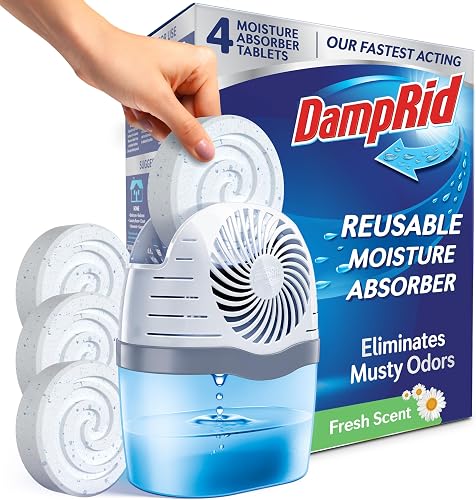
DampRid Reusable Moisture Absorber with 4 Drop-In Tablets, Fresh Scent, 15.8 oz., Attract and Trap Excess Moisture &…
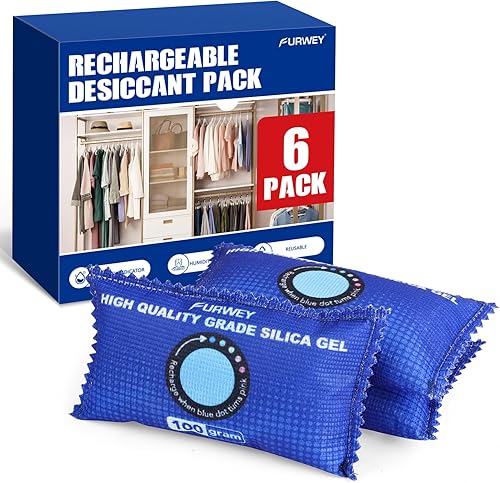
FURWEY 6 Pack Rechargeable Desiccant Packs for Storage, 100g Each, Blue
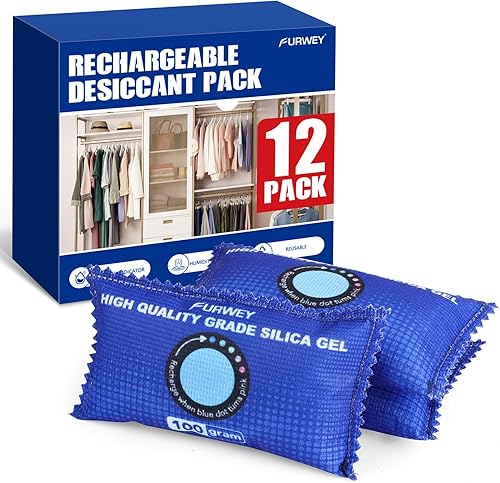
FURWEY 12 Pack Rechargeable Desiccant Packs for Storage, 100g Each, Blue

10 Pack Moisture Absorbers and Humidity Absorber Bags for Closet
Moisture Absorbers, Fragrance Free Humidity Absorber, 3 Pack, 10.5 oz Boxes
BarcoEquipado score: combines the average rating and the number of buyer reviews on Amazon. No brand pays to be featured.
Why boats get so damp
A boat is a small, closed space surrounded by water. Breathing, cooking, wet clothes and the temperature difference between the hull and the air all create condensation, and condensation brings mildew, a musty smell, stained upholstery and rust on electrical panels and tools. Absorbers help, but they only work well when there is airflow too.
Types of moisture absorbers
| Type | How it works | Best for | Limit |
|---|---|---|---|
| Calcium chloride (bags, tubs, containers) | Pulls moisture from the air and turns it into liquid that collects in a reservoir | Cabins, salon, large areas without power | Runs out and needs refilling; the liquid must be handled carefully |
| Silica gel | Adsorbs moisture in its pores; can be dried and reused | Lockers, drawers, toolboxes and electronics | Low capacity; needs recharging |
| Electric compressor dehumidifier | Cools the air and collects condensed water | Boats at a marina with shore power | Weak in intense cold; needs an outlet and emptying the tank |
| Peltier (thermoelectric) dehumidifier | Removes moisture with no compressor and low power draw | Small spaces: heads, lockers, forepeak cabin | Low capacity; will not handle the whole cabin |
| Charcoal or bamboo bags | Absorb moisture and odors very gently | Closets and shoes, as a supplement | Not enough against high humidity |
Calcium chloride: the most practical option without power
If the boat is at the dock or on the hard with no electricity, this is the simplest option. Place several containers in the worst-ventilated spots: under the berths, next to the bilge, in the locker. Check the level regularly and do not leave them on surfaces where they can tip over in a roll.
Watch out: the liquid that collects in calcium chloride reservoirs is corrosive. Keep containers away from metal, electrical panels and fabrics, and buy models with a stable reservoir and a closure.
Electric models: capacity and power draw
A compressor dehumidifier pulls a lot of water but draws considerable power, so it only makes sense with shore power. Peltier models draw little but have low capacity. For either, check the noise, tank size and that it shuts off automatically when full.
Where to put them and how many you need
- Cabin and salon: calcium chloride at the lowest, most closed-in point, for example under the mattresses or next to the bulkhead.
- Lockers and storage: silica gel or small bags, especially where you keep dock lines, life jackets and tools.
- Electrical panels and electronics: silica gel in a watertight box with the spare electronics.
- Head and galley: a small absorber or a Peltier unit; these are the dampest areas.
- Near the bilge: if there is a damp smell, find the source first with our guide to bilge cleaners.
As a rule of thumb, one calcium chloride container treats the air in a small space (a cabin of roughly 280-350 cubic feet). A large cabin needs several, and in very damp conditions you will refill every few weeks. Trust the product spec for the volume it covers.
Ventilate first, absorb second
No absorber can make up for a boat sealed up tight with condensation running down the overhead. Combine it with measures that go after the cause:
- Let air circulate. Briefly open hatches and ports on dry days, lift the mattresses and leave locker and cabinet doors ajar.
- Add passive or powered ventilation. 12 V fans and extractors move air without drawing much; see 12 V boat fans.
- Stop the water coming in. A leaking hatch or poorly bedded fitting adds moisture every day. Check seals and sealants.
- Do not store anything damp. Dry dock lines, life jackets, towels and sails thoroughly before putting them away; dry bags protect, but they also trap moisture if you pack something wet.
- Use breathable covers. A fully sealed cover traps condensation; breathable boat covers avoid that problem.
Winter storage and mildew control
Moisture becomes critical when the boat sits closed up for months. Before you leave, clean and dry the interior, take off clothing, cushions and food, and stand the cushions on edge. Put absorbers inside and check them at every visit. The remaining steps are in how to winterize a boat.
If mildew shows up on upholstery and canvas, clean it with a dedicated product and fix the cause: see marine canvas and vinyl cleaners.
Tip: buy the absorber in a refillable format (just the refill, not the whole container). It saves plastic and money, and you can replace it without touching anything else.
Frequently asked questions
Which is better for a boat, calcium chloride or silica gel?
For large spaces without power, like a cabin, calcium chloride absorbs far more moisture. Silica gel is better in small closed spaces such as lockers, drawers and toolboxes, and it can be dried and reused. Many boats use both.
Does an electric dehumidifier work on a boat?
Yes, if you have shore power at the dock. Compressor models pull a lot of water but draw considerable power and work less well in intense cold. Peltier models use little but have low capacity, so they suit small spaces like the head or forepeak.
How often should I replace a moisture absorber?
It depends on humidity and the size of the space. On a damp boat, a calcium chloride refill can last from a few weeks to a couple of months. Check the liquid level and replace it when it is nearly used up.
How do I prevent mildew on a boat that is closed up for winter?
Leave the interior clean and dry, remove clothing and food, stand the cushions on edge and keep a little airflow. Add moisture absorbers and check on the boat regularly. If the hull or hatches let water in, fix them before closing up.