
If you buy through our links, Amazon pays us a small commission at no extra cost to you. That’s how we keep the site running. How we choose.
Contents
Our top 3 picks
Stock checked on October 6, 2026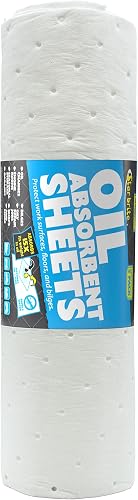


bilge cleaners and oil absorbents comparison, in stock
STAR BRITE Bilge Oil Pads - Absorbs Oil, Repels Water
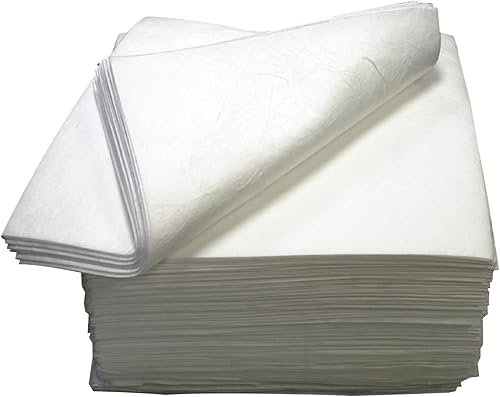
STAR BRITE Bilge Oil Pads - Absorbs Oil, Repels Water

Brady SPC BPO100 15" x 17" Heavy Weight Economical Oil Only Absorbent Pads - 100 ct

Spill Absorbent Pads 15" x 20" Heavyweight Oil Absorbing Mats,White Absorbing Heavy Weight Oil-Only Absorbent Mat Pad…

STAR BRITE Orange Bilge Cleaner, Emulsifies Oil & Fuel
Oil Eater Oil Only Absorbent Pads - for Bilges, Boats, Vehicles and Tools - 6 Pack, White, 15" x 18" (AOA-BPH006-WHITE)

PIG Oil Absorbing Mat Pad in Dispenser Box Absorbs Oil and Fuel Repels Water 14-Ounce Absorbency 15" x 20" Box of 200…
BarcoEquipado score: combines the average rating and the number of buyer reviews on Amazon. No brand pays to be featured.
How to choose a bilge cleaner
The bilge collects everything that drips: rain and sea water, traces of oil and fuel, condensation and deck dirt. A dirty bilge stinks, clogs the bilge pump, hides engine leaks and, if there is gasoline aboard, can be dangerous.
Cleaner and absorbent: you need both
An absorbent (pads, rolls or oil-only socks) soaks up oil and fuel without taking in water, and you throw it out when it is saturated. A cleaner degreases the bilge walls and removes the film of dirt and the smell. Using cleaner alone on free-floating oil emulsifies it, and you end up pumping it overboard.
Biodegradable and non-emulsifying
Choose biodegradable formulas. Be wary of "pour it in, go boating and let the pump handle it" claims: emulsifying oil does not remove it, it spreads it. The responsible way is to absorb, clean and take the dirty water ashore.
Concentrate or ready to use
Concentrates go much further and let you adjust the dilution to the level of grime. Ready-to-use sprays are handy for spots on the engine and drip pan.
Watch out: bleach and flammable solvents are not options. Bleach does not remove oil, attacks seals and hoses and gives off irritating fumes in an enclosed space. Solvents near batteries and an engine are a fire risk.
How to clean the bilge step by step
- Ventilate the bilge and engine compartment, especially with gasoline. Keep flames and sparks away.
- Soak up floating oil and fuel with oil-only absorbent pads.
- Empty the water into a container with a manual pump if it is contaminated.
- Apply the cleaner diluted as the label says, scrub with a long-handled brush and let it work.
- Rinse with fresh water and collect the rinse water.
- Clean the bilge pump: strainer, impeller and float switch. A float switch jammed with grime is the most common reason an automatic pump fails to start (see bilge pumps).
- Dry with sponges or rags and let it air out.
- Place a permanent absorbent under the engine to catch and hold new leaks.
Tip: water with traces of oil or fuel never gets pumped overboard. Carry it in a container to the marina's waste oil or hazardous waste collection point.
What your bilge is telling you
| What you find | Likely source | What to check |
|---|---|---|
| Black oil | Engine leak: gasket, seal or filter | Oil pan, oil filter, valve cover gasket |
| Sheen of diesel or gasoline | Leak at filters, injectors or lines | Fittings, hose clamps, fuel filter bowl. With gasoline, do not start until ventilated |
| Constant salt water | Stuffing box, through-hull, water pump | Shaft seal or packing, clamps, seacocks |
| Fresh water | Fresh water system or rain | Tank, lines, pressure pump, ports and hatches |
| Coolant (green, pink, blue) | Closed engine cooling circuit | Hoses, heat exchanger, expansion tank cap |
| Sewage smell | Holding tank or sanitation hoses | Hose permeation, fittings, tank vent |
Cleaning a bilge without finding the source of the leak just hides the problem. If the engine is losing oil, fix the leak before you clean.
Common bilge cleaning mistakes
- Pumping oil overboard: besides polluting, it can bring a heavy fine. In US waters the discharge of oil into the water is prohibited; check the rules where you boat.
- Masking the smell with air freshener: the source is still there.
- Forgetting the pump and float switch: a clean bilge with a pump that will not start is worth nothing.
- Not ventilating with gasoline engines: fumes settle in the bottom and are explosive.
- Leaving a saturated absorbent in place: replace it when full, or the oil goes back into the bilge.
Keeping the bilge clean
- Fix any engine drip as soon as it shows up. Our outboard maintenance guide helps with the mechanical side.
- When you change oil, put an absorbent underneath and use an extraction pump.
- Check hose clamps and hoses every season; fuel and salt water lines in particular, in pairs.
- Give the bilge a deep clean before winter as part of winterizing the boat.
- On inboard gasoline engines, run the blower before starting and make sure there is no fuel smell.
- Keep moisture under control in closed spaces with moisture absorbers so the musty smell does not return.
Frequently asked questions
What do you use to clean a boat's bilge?
First oil-only absorbent pads or rolls to pick up oil and fuel, then a biodegradable degreasing bilge cleaner applied with a long-handled brush. Rinse with fresh water and take the dirty water ashore rather than pumping it overboard.
Can I pump the bilge straight overboard?
Not if it contains oil or fuel. In US waters, discharging oil or a sheen into the water is prohibited and can lead to a fine. Absorb the oil first and take contaminated water to the marina's collection point. Check the rules where you boat.
Is bleach okay for cleaning a bilge?
It is not recommended. It does not remove oil, attacks seals and hoses and gives off irritating fumes in a closed space. A dedicated biodegradable bilge cleaner is better, and never mix bleach with other products.
Why does my bilge smell bad?
It is usually stagnant water mixed with oil, fuel or organic matter, sometimes with a sewage leak. Clean it thoroughly, find the source of the drip and improve ventilation. Air freshener only masks the problem.


