If you buy through our links, Amazon pays us a small commission at no extra cost to you. That’s how we keep the site running. How we choose.
Contents
Our top 3 picks
Stock checked on October 6, 2026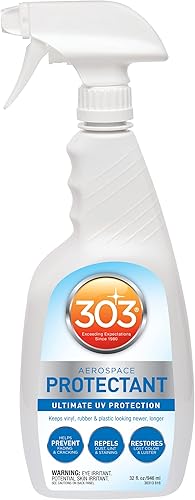

marine canvas and vinyl cleaners comparison, in stock
303 Aerospace Protectant for Vinyl, Plastic & Rubber, 32 oz
303 Aerospace Protectant for Vinyl, Plastic & Rubber, 1 Gallon

303 Aerospace Protectant for Vinyl, Plastic & Rubber, 16 oz
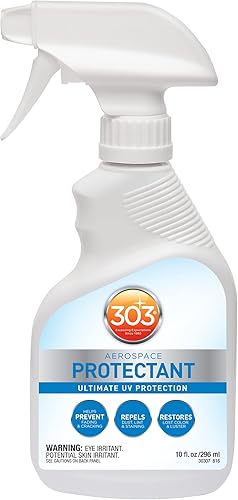
303 Aerospace Protectant for Vinyl, Plastic & Rubber, 10 oz

303 Marine Aerospace Protectant for Boat Vinyl, 1 Gallon
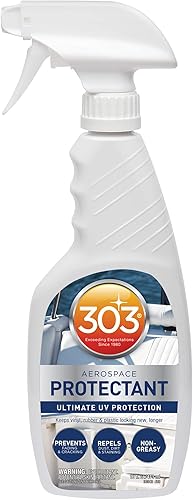
303 Marine Aerospace Protectant for Boat Vinyl, 16 oz

STAR BRITE Orange Bilge Cleaner, Emulsifies Oil & Fuel
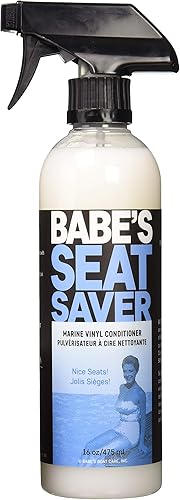
Babe’s Seat Saver – Marine Vinyl Protectant & Conditioner – UV Protection for Boat Seats – Non-Silicone Formula Keeps…
BarcoEquipado score: combines the average rating and the number of buyer reviews on Amazon. No brand pays to be featured.
Know your material before you clean
Sun, salt, moisture and sunscreen all attack the fabrics aboard at once, and household products (bleach, degreasers, stain removers) usually make things worse. Before you buy anything, identify the material.
| Material | Where you find it | How to clean | Protection |
|---|---|---|---|
| Solution-dyed acrylic canvas | Bimini tops, enclosures, covers, quality awnings | Canvas cleaner, soft brush, lukewarm water | Fabric waterproofer |
| Coated polyester (PVC or PU) | Budget covers, entry-level biminis | Canvas cleaner or mild soap; no solvents | UV protectant or a compatible waterproofer |
| Marine vinyl | Seats, cockpit cushions, consoles | Vinyl cleaner, soft brush | UV protectant for vinyl |
| Clear plastic (windows) | Enclosures, console covers | Just water and mild soap, microfiber cloth | Dedicated clear plastic protectant |
| Dacron and laminates | Sails | Sail cleaner, fresh water, no stiff brushes | Complete drying and storage without hard creases |
How to choose the right cleaner
Canvas cleaner
Made for technical fabrics: it cleans without hurting the color or stitching and rinses without leaving residue that attracts dirt. It is the first choice for biminis, enclosures and covers.
Vinyl cleaner and conditioner
Marine vinyl has a protective surface layer. A harsh cleaner strips it, and the vinyl dries out, loses flexibility and cracks. Look for dedicated, pH-gentle products.
Mildew remover
Mildew feeds on dirt, sunscreen and moisture. Marine mildew removers kill active spots, but unless you fix the cause (moisture and poor airflow) it comes back.
UV protectant and waterproofer
Protect after you clean. UV protectants for vinyl and plastics reduce cracking and fading; canvas waterproofers bring back the beading effect and keep dirt from soaking in.
How to clean canvas and biminis step by step
- If you can, take the canvas down and lay it on a clean surface.
- Brush it dry to knock off dust, leaves and gull droppings.
- Wet it with lukewarm fresh water (no hotter than about 105 °F).
- Apply the cleaner and scrub with a soft-bristle brush, without scraping.
- Let it work for the time on the label, without letting it dry.
- Rinse thoroughly: leftover detergent attracts dirt and feeds mildew.
- Let it air-dry completely, ideally while mounted.
- Apply the waterproofer in an even coat on the dry canvas and let it cure.
Tip: if your bimini is torn, faded or the fabric crumbles when you touch it, no cleaner will bring it back. See how to choose a new bimini top.
How to clean marine vinyl upholstery
- Rinse with fresh water to remove salt and sand, which scratch vinyl.
- Apply the vinyl cleaner and scrub with a soft brush, working on seams and textured areas.
- For sunscreen and grease, repeat on the spot or use a dedicated upholstery cleaner.
- Rinse and dry with a microfiber cloth.
- Finish with a vinyl UV protectant; repeat monthly in summer.
If the seats are already cracked or the foam holds water, it is time to replace them: see marine cushions and mattresses.
Mistakes that ruin canvas and upholstery
Watch out: bleach and ammonia break down thread, vinyl and clear plastic. Do not use them, even diluted.
- Pressure washing at close range: it opens seams and strips the coating off canvas.
- Storing it damp: mildew shows up within days; make sure everything is dry before folding.
- Solvents and alcohol on vinyl: they dry it out and crack it.
- Cleaning clear windows with paper towels or glass cleaner: it scratches and clouds them. Use only water, mild soap and microfiber.
How to keep mildew from coming back
- Rinse with fresh water after every outing and let it dry before covering.
- Let it breathe: a fully sealed cover traps condensation. Look for breathable boat covers.
- Stand cushions on edge so air circulates underneath.
- Wipe sunscreen off vinyl after each use: it is food for mildew.
- In winter, take textiles off the boat or stand them on edge with moisture absorbers, as we explain in how to winterize a boat.
Frequently asked questions
How do you clean the canvas on a bimini top?
Brush it dry, wet it with lukewarm fresh water, apply a dedicated canvas cleaner, scrub with a soft brush and rinse thoroughly. Let it dry completely and finish with a fabric waterproofer. Skip bleach and pressure washing at close range, which damage the fabric and stitching.
What is the best way to remove mildew from boat vinyl?
A mildew remover made for marine vinyl and a soft brush, rinsing well afterward. To keep it from returning, remove the cause: dry and ventilate cushions, wipe off sunscreen after each use and avoid storing damp fabrics.
Can I use bleach on marine canvas and upholstery?
It is not recommended. Bleach breaks down stitching thread, dries out vinyl and can yellow clear plastic. A dedicated canvas or vinyl cleaner, lukewarm water and a soft brush clean without that damage.
How often should canvas be re-waterproofed?
When water stops beading and starts soaking into the fabric. It depends on sun and use, but typically once a year or every other year. Always clean the canvas before applying the waterproofer and let it dry fully.