If you buy through our links, Amazon pays us a small commission at no extra cost to you. That’s how we keep the site running. How we choose.
Contents
Choosing a first boat is exciting, and it is also where most expensive mistakes happen: too much boat, a tired engine, a hull type that does not match what you will really do. This guide helps you decide with a clear head: which type suits you, how long it should be, what engine, what licensing to expect, new or used, what to inspect before paying and what to buy on day one.
Short answer: when in doubt, start with a RIB or small center console of 16 to 21 ft (5 to 6.5 m) with a four-stroke outboard, bought used and surveyed, and kept on a trailer or in dry storage. Set aside 10 to 20 percent of the boat's value each year for upkeep.
First, what will you do with the boat
The best boat is the one that fits your real use, not the one you picture in August. Be honest about frequency: if you will go out ten days a year, a small boat that is easy to launch will get you out more than a big one that demands preparation.
| Main use | Suggested type | Typical length |
|---|---|---|
| Swimming, coves and family beach days | Bowrider or RIB | 16 to 23 ft (5 to 7 m) |
| Inshore fishing | Center console or RIB | 15 to 21 ft (4.5 to 6.5 m) |
| Towed water sports | Bowrider with a strong engine | 18 to 23 ft (5.5 to 7 m) |
| Overnights aboard | Cabin cruiser or sailboat | 23 to 30 ft (7 to 9 m) |
| Learning to sail | Small, simple cruising sailboat | 20 to 26 ft (6 to 8 m) |
| Very tight budget | Inflatable with outboard | 10 to 15 ft (3 to 4.5 m) |
For specific gear lists, see fishing boat equipment and sailboat equipment.
Inflatable, RIB or fiberglass boat
- Inflatable: cheapest and easiest to store (it fits in a garage or a big trunk), but with less range, less comfort and more sensitivity to wind.
- RIB (rigid inflatable): a rigid hull with inflatable tubes. Very stable, safe and light, great for short chop, and it tolerates bumps against the dock.
- Fiberglass powerboat (bowrider or cabin): more usable space, sunpad and protection from sun and spray, but heavier, needs a bigger tow vehicle and costs more to maintain.
- Sailboat: cheap on fuel and lets you sleep aboard, but you have to learn to sail and you usually need a fixed slip or mooring.
Licensing, registration and insurance
In the US there is no federal license for recreational boaters, but many states require a boater education card, especially for younger operators or for boats above a certain engine power. Most boats also need state registration, and a trailer needs its own. Rules differ by state and change over time, so check with your state boating agency before you buy.
Watch out: do not close the deal before you know what documents, title and insurance the boat needs where you will keep it. Lenders and marinas often ask for proof of insurance.
Engine: outboard, inboard or electric
For a first boat, a four-stroke outboard is the most practical option: it is easy to maintain, can be taken to a shop, and on small boats can be swapped without major work. Inboards (diesel or gasoline) appear on cabin cruisers and sailboats; they are quieter and, with diesel, thriftier on fuel, but maintenance costs more.
Electric outboards suit tenders and small inflatables, while gasoline outboards remain the reference for range and power. Rule of thumb: never exceed the maximum horsepower on the manufacturer's capacity plate, and avoid boats with an engine that is barely enough, because loaded and in a chop they will not get on plane.
New or used
A new boat brings a warranty and peace of mind; a used one gives far more boat for the money. For a first boat, a good surveyed used boat is usually the sensible choice: someone else absorbs the steepest depreciation, and if you want a different size after two seasons you lose less. When buying used, check:
- Hull: dents, blisters below the waterline, gelcoat cracks and the condition of the transom.
- Engine: hours, service records, compression, cold start and a healthy cooling water stream.
- Deck and hardware: cleats, rails and hinges well fastened, with no leaks, and marine-grade fasteners.
- Electrical: neat wiring, batteries and navigation lights.
- Paperwork: ownership, liens, hull ID number and safety equipment.
- Sea trial: always, and if possible with an independent mechanic or marine surveyor.
Tip: be wary of boats with rusty fasteners or loose cleats: individually they are not expensive faults, but they often point to general neglect. If you plan to replace hardware, read stainless 304 vs 316 first.
The real budget: purchase plus upkeep
The purchase price is only the beginning. Slip or storage, insurance, haul-out, engine service and consumables can cost 10 to 20 percent of the boat's value every year, with big differences by region and length. In how much it costs to own a boat you will find an estimate by size.
Before buying, ask what a slip costs where you will boat and whether there is a waiting list. In many areas, dry storage or a trailer you own is the cheapest way to start.
Day-one gear
Besides the safety gear required where you boat, these are the first purchases of almost every new owner:
- A waterproof, floating handheld VHF to call for help when something goes wrong.
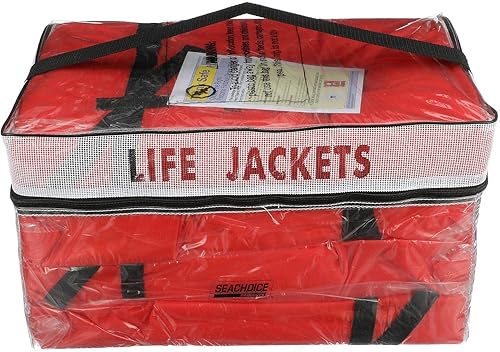
- Comfortable life jackets that people will actually wear. In the US, look for US Coast Guard approved ones.
- Fenders sized for your boat and dock lines in good condition.
- A reliable bilge pump and a manual bailer as backup.
- An anchor with the right rode; what anchor you need explains the criteria.
That covers the essentials. Buy the rest as you learn what you really miss.
Common mistakes when buying a first boat
- Buying more length than you can dock, tow or afford.
- Not taking the boat on a sea trial before paying.
- Forgetting the cost of a slip where you will boat.
- Buying without checking what licensing and registration the boat needs in your state.
- Underestimating the engine: a poorly maintained outboard can cost as much as the hull.
- Being lured by a very cheap price without budgeting for repairs.
Your first outings
Start with light-wind days, close to the harbor and with someone experienced. Practice docking, anchoring and man-overboard before you venture out. Keep the pre-departure checklist handy, learn the basic boating knots and review how to anchor step by step.
A good first year is about getting to know your boat, not logging miles. Note fuel burn, behavior when loaded and in a chop, and everything you find missing: that list will be your best guide for outfitting it.
Recommended gear for this guide

Frequently asked questions
What is the best first boat to start with?
For most people, a RIB or small powerboat of 16 to 21 ft with a four-stroke outboard. It is easy to handle, can be stored on a trailer or in dry storage, maintenance is affordable and it covers the usual uses: swimming, coves and inshore fishing. For sailing, a simple 20 to 26 ft sailboat.
What boat can I buy without a license?
There is no federal boating license in the US, but many states require a boater education card for certain operators or boats, and all states have registration rules. Check with your state boating agency before you buy.
Is it better to buy a new or used boat?
For a first boat, a surveyed used boat is usually the sensible choice: the steepest depreciation is absorbed by someone else, and you lose less if you change size later. Always get the hull and engine inspected before buying, preferably by an independent marine surveyor.
How much does a first boat cost?
A used RIB or powerboat of 16 to 21 ft with an engine can go from a few thousand dollars to a lot more depending on age, engine and condition; new, the range climbs fast. Also budget each year for slip or storage, insurance and maintenance.
Inflatable, RIB or fiberglass boat?
A RIB is very stable and light, great for short chop. A fiberglass boat offers more space, sun deck and protection. Inflatables are inexpensive and fit in a trunk, but they have less range and comfort.