If you buy through our links, Amazon pays us a small commission at no extra cost to you. That’s how we keep the site running. How we choose.
Contents
Our top 3 picks
Stock checked on October 6, 2026


mooring and marker buoys comparison, in stock
attwood 9350-4 Anchor Buoy, 9-Inch Fluorescent Orange Marine Marker Float
Marine-Grade Heavy Duty Float Rope - High Visibility Rope with 316 Stainless Steel Hooks for Kayak Tow Line, Anchor…
Premium Floating Anchor Marker Buoy by SandShark. High Visibility Markers for Anchors at The Beach, Lake, Shallow…
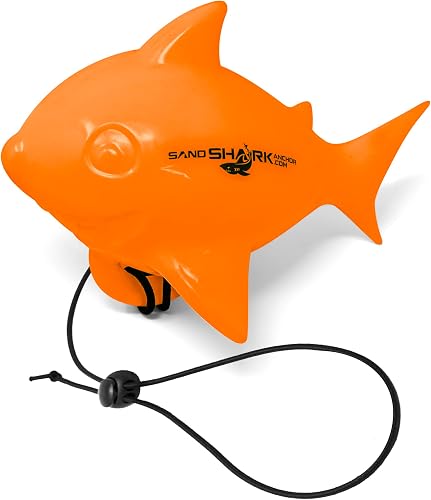
Premium Floating Anchor Marker Buoy by SandShark. High Visibility Markers for Anchors at The Beach, Lake, Shallow…
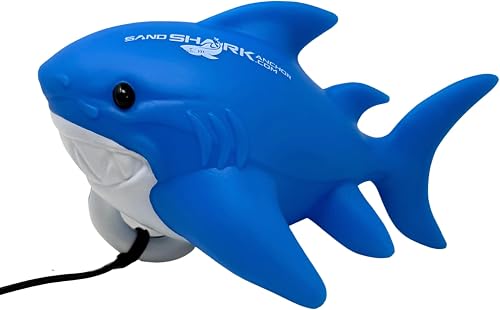
Premium Floating Anchor Marker Buoy by SandShark. High Visibility Markers for Anchors at The Beach, Lake, Shallow…
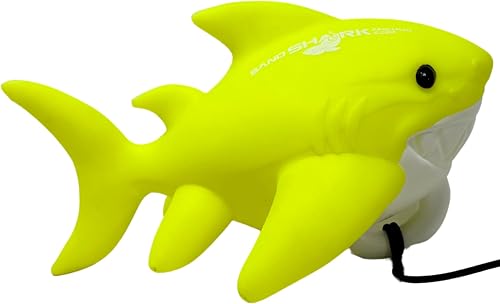
Premium Floating Anchor Marker Buoy by SandShark. High Visibility Markers for Anchors at The Beach, Lake, Shallow…


Anchor Buoy and Retrieval Ring, Inflatable Vinyl Boat Buoy Balls with Pump
BarcoEquipado score: combines the average rating and the number of buyer reviews on Amazon. No brand pays to be featured.
Types of buoys for boats
A lot of very different products are sold as "buoys". Telling them apart keeps you from buying something that cannot do the job.
Mooring buoy
This one stays in the water on a block or anchor and the boat ties up to it. It is large, with plenty of buoyancy and a ring or central shaft for the pennant or chain. It has to take constant load and chafe from the line.
Marker buoy
Smaller and lighter. It marks a spot: a swim area, your own anchorage, a net, or a hazard. It is not designed to take the pull of a boat.
Anchor trip buoy
A small buoy tied to the crown of the anchor. It shows where the anchor is and lets you pull it up backwards if it fouls. For how it works in practice, see how to anchor step by step.
| Type | Purpose | Must have |
|---|---|---|
| Mooring | Hold the boat | Lots of buoyancy, ring or center shaft |
| Marker | Flag an area or point | Bright color, light weight |
| Trip buoy | Mark and free the anchor | Small, with floating line |
Materials and construction
- Rotomolded polyethylene with foam fill: will not sink even if punctured. The standard choice for mooring buoys because of durability.
- EVA foam or similar: lighter and impact-resistant, used on mid-size marker buoys.
- Inflatable PVC: easy to store, but a puncture makes it useless. Suited to occasional marking.
Look for UV protection: a buoy that sits in the sun all summer turns brittle without it.
What size of buoy
A mooring buoy needs enough buoyancy to hold up the weight of the chain or pennant hanging from it and stay visible. This table is a rough guide by the length of the boat you will tie up:
| Boat length | Mooring buoy diameter |
|---|---|
| Up to 23 ft | 12 to 14 in. (30 to 35 cm) |
| 23 to 33 ft | 16 to 18 in. (40 to 45 cm) |
| 33 to 46 ft | 20 to 24 in. (50 to 60 cm) |
| Over 46 ft | 28 in. (70 cm) or more |
If the pennant or chain is heavy, go up a size. A buoy dragged half under by weight is hard to see and can be a hazard to other boats.
Visibility and rules
Pick bright colors (orange, yellow, white) and, if possible, reflective tape. Private mooring buoys in regulated waters usually need permission: check with your harbormaster or the local authority before installing one, because many areas do not allow free anchoring. In the US, rules for private aids to navigation and moorings vary by state and with the Coast Guard, so confirm locally.
Warning: a marker buoy is not a mooring buoy. If you tie your boat to one that is not sized for it, the buoy sinks or gets dragged under.
Installation and use
- Work out the depth at high tide and add 20 % for the length of the trip line.
- Use floating line so it does not tangle in the prop.
- Join the buoy to the anchor or block with a quality shackle and mouse the pin.
- Check every connection at the start and end of the season.
Tip: for a trip line, use a line slightly longer than the depth and adjust the tension. Too much slack wraps around the shank. More on anchors and getting them back.
Common mistakes
- Using a marker buoy as a mooring.
- Not checking the line and ring before the season.
- Leaving a trip line too long so it fouls the prop.
- Choosing a buoy the color of the sea, hard to spot.
Rinse the buoy with fresh water at the end of each season and scrub off any growth. If it is PVC, check the pressure and valves. A faded buoy is harder to see, so replace it. The connection to the chain should be checked as described in anchor chain.
Frequently asked questions
What is the difference between a mooring buoy and a marker buoy?
A mooring buoy is built to take the constant pull of a boat and has a ring or central shaft. A marker buoy is lighter and only flags a point or an area; it should not be used to tie up.
What size mooring buoy do I need?
As a rough guide, 12 to 14 in. across up to 23 ft, 16 to 18 in. for 23 to 33 ft, 20 to 24 in. for 33 to 46 ft, and 28 in. or more above that. If the pennant or chain is heavy, go up a size.
What is an anchor trip buoy for?
It shows where the anchor is and lets you pull it up backwards if it fouls on a rock or a line. It is tied to the crown of the anchor with a floating line a little longer than the depth.
Do I need a permit for a private mooring buoy?
In most places, yes, because private moorings are regulated. Check with your harbormaster or local authority before installing one.