If you buy through our links, Amazon pays us a small commission at no extra cost to you. That’s how we keep the site running. How we choose.
Contents
snorkel gear comparison, in stock
We don’t currently have verified in-stock products on Amazon.com. Here are all the available options:
BarcoEquipado score: combines the average rating and the number of buyer reviews on Amazon. No brand pays to be featured.
How to choose snorkel gear
A basic snorkel set consists of a mask, snorkel and fins, and is completed with a wetsuit if the water is cold. The good news is that you don't need to spend a lot, but you do need to get three things right: the mask must seal well on your face, the snorkel must breathe easily and the fins must not rub or cause cramps.
Before buying, think about how you'll use it: short swims from the anchorage, long outings along coves or free-diving. For occasional use, a simple set is plenty; if you go in often, it's worth investing in a good-quality mask.
The mask: the most important piece
A leaking mask ruins the outing. Check these points:
- Seal test: without putting the strap on, press the mask to your face and breathe in through your nose. If it stays on by itself for a few seconds, it fits your face.
- Silicone skirt: better than PVC because it's softer, lasts longer and conforms better. A clear skirt lets in light; a black one reduces glare.
- Tempered glass: avoid plastic lenses; tempered glass doesn't scratch and is safe.
- Low internal volume: the mask sits closer to your eyes, gives a wider field of view and clears more easily.
- If you wear glasses: there are masks with prescription or interchangeable lenses.
The snorkel: classic, semi-dry or dry
- Classic snorkel: J-shaped, light and cheap. If a wave gets in, you have to blow to clear it.
- Semi-dry: with a splash guard on top that reduces water getting in. The most recommended balance.
- Dry: with a valve that closes when you submerge. It keeps water out, but costs more and, if the valve fails, it can make breathing harder.
Choose a soft silicone mouthpiece and a generous inside diameter; a narrow tube tires you out quickly. The length should be short (about 12 to 14 inches) to reduce dead air space.
Fins and sizing
Long fins give more power but tire you more; short ones are ideal for surface snorkeling. There are two foot types: full-foot (like a sock, lighter, for warm water) and open-heel (with a strap, to wear with booties in cold water).
| Use | Recommended fin | Foot pocket |
|---|---|---|
| Occasional summer snorkeling | Short or travel fin | Full foot |
| Long outings, current | Medium-long | Full foot or open heel |
| Cold water with booties | Medium | Open heel with strap |
| Kids and beginners | Short, flexible | Full foot |
Tip: choose fin size with a bare foot (or with a bootie if they're open-heel). They should fit without squeezing: too much slack causes blisters and too much pressure causes cramps.
Safety in the water
- Don't snorkel alone: always with a buddy or with someone watching from the boat.
- Use a signal buoy or a towed float so boats can see you.
- If there's current or poor visibility, or you get tired, stop and head back to the boat. Don't push it.
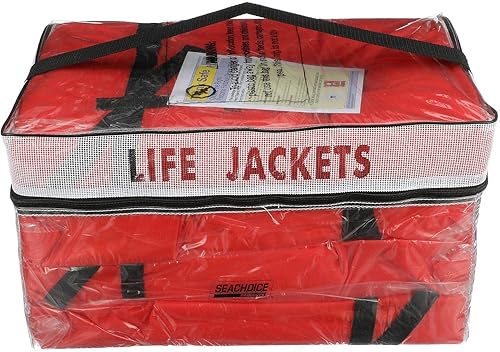
- A low-profile life jacket or an inflatable snorkel vest is recommended if you aren't a strong swimmer.
- Don't hyperventilate before breath-holding: it's dangerous and can cause blackouts.
Watch out: snorkeling is no substitute for dive training. If you plan to go beyond a few feet or free-dive deep, get proper training and always respect your limits.
Care, anti-fog and common mistakes
To prevent fogging, scrub the glass of a new mask with non-abrasive toothpaste before first use and rinse well. Before each dive, a little saliva or a commercial anti-fog leaves the glass clear.
- Rinse all the gear with fresh water after use and dry it in the shade.
- Store the mask in its case, without deforming the skirt.
- Don't leave it in the sun aboard the boat: silicone and rubber degrade with heat.
- Keep it in a dry bag or a nylon mesh bag so it can dry.
The most common mistakes are buying a mask without testing the seal, choosing fins that are too big and not warming up with a wetsuit when the water is cold, which shortens the session and kills the enthusiasm.
Frequently asked questions
What is the best snorkel mask?
The one that seals best on your face. Prioritize tempered glass, a silicone skirt and low internal volume. Test it without the strap: if it stays on as you breathe in through your nose, it's the one.
Dry or semi-dry snorkel?
For most users a semi-dry snorkel is the best balance of price and comfort. A dry one keeps out more water, but it costs more and the valve can make breathing harder if it fails.
How do I stop my mask from fogging?
Scrub the new glass with non-abrasive toothpaste before first use and, before each dive, apply a little saliva or an anti-fog solution. Then rinse with water.
What size fins should I get?
The ones that fit without squeezing, on a bare foot if they're full-foot or with a bootie if they're open-heel. If you're between two sizes, try the smaller one while moving your leg to see if it rubs.