If you buy through our links, Amazon pays us a small commission at no extra cost to you. That’s how we keep the site running. How we choose.
Contents
Our top 3 picks
Stock checked on October 6, 2026


wetsuits comparison, in stock
ZCCO Men's Wetsuits 1.5/3mm Premium Neoprene Back Zip Shorty Dive Skin for Spearfishing,Snorkeling, Surfing…
ZCCO Men's Wetsuits 1.5/3mm Premium Neoprene Back Zip Shorty Dive Skin for Spearfishing,Snorkeling, Surfing…
Hevto Men Wetsuit 3/2mm Neoprene Front Zipper for Surfing Diving
Hevto Men Wetsuit 3/2mm Neoprene Front Zipper for Surfing Diving
Hevto Men Wetsuit 3/2mm Neoprene Front Zipper for Surfing Diving

Hevto Men Wetsuit 3/2mm Neoprene Front Zipper for Surfing Diving
Hevto Men Wetsuit 3/2mm Neoprene Front Zipper for Surfing Diving
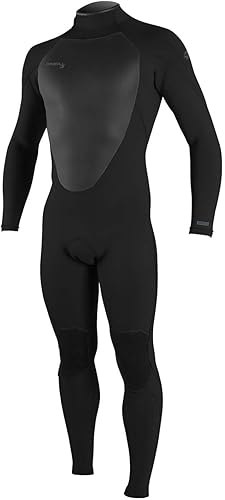
O'Neill Men's Epic 4/3mm Back Zip Full Wetsuit
BarcoEquipado score: combines the average rating and the number of buyer reviews on Amazon. No brand pays to be featured.
How to choose a wetsuit for water activities
A wetsuit doesn't keep water out: it lets in a thin layer that your body warms and the suit holds in place. So the most important factor isn't thickness, it's a snug fit with no gaps. A thick but loose suit lets cold water flush through and loses most of its value.
Start by defining the use: dinghy sailing or windsurfing, paddleboarding, kayaking, snorkeling, or riding in an inflatable boat. Falling in now and then is very different from being in the water for an hour.
Thickness by water temperature
Thickness is given in millimeters, for example 3/2: 3 mm in the torso and 2 mm in the arms and legs. Use this table as a starting point; your cold tolerance and the wind will do the rest.
| Water temperature | Recommended suit |
|---|---|
| Above 72 °F (22 °C) | Rash guard or 1-2 mm shorty |
| 65-72 °F (18-22 °C) | 2-3 mm full suit |
| 57-65 °F (14-18 °C) | 3/2 mm full suit |
| 50-57 °F (10-14 °C) | 4/3 mm full suit with hood and booties |
| Below 50 °F (10 °C) | 5/4 mm or drysuit |
Tip: wind chill hits harder than the water itself. If your activity involves spray and breeze, go up one thickness or add a windproof layer on top.
Suit types and cuts
- Full suit (steamer): covers arms and legs. The most versatile choice for cool seasons.
- Shorty: short sleeves and legs. Great for summer and activities where you rarely get wet, like paddleboarding.
- Long John / Farmer John: sleeveless, leaving your arms completely free. Popular for kayaking and dinghy sailing.
- Drysuit: truly keeps water out thanks to sealed zippers and gaskets. For very cold water or long immersions, and it takes practice.
Back-zip or chest-zip
The back zip is the most common and easiest to get into; chest-zip suits reduce water entry and work well for sailing. Zipperless suits are very flexible but harder to put on.
Seams and materials
Seams change both comfort and price:
- Flatlock: flat stitching, comfortable but lets water through. Fine for warm water.
- Glued and blind-stitched (GBS): more watertight, the standard for cool water.
- Taped or liquid-sealed: the most watertight and durable, typical of high-end suits.
As for materials, limestone-based neoprene is more flexible and lighter than petroleum-based neoprene, and thermal fleece linings dry faster. A nylon or jersey outer protects against abrasion and wears longer.
Getting the size right
Measure your height, weight, chest, waist and hips and compare them with the manufacturer's size chart, because sizing varies between brands. When you try it on, check that:
- There are no air pockets in the armpits, lower back or knees.
- The neck doesn't choke you or let water in.
- You can move your arms without the suit pulling at the shoulders.
- It feels slightly tight when dry: neoprene loosens a little once wet.
Watch out: a wetsuit is not a life jacket and doesn't replace safety gear. If you're on a boat, always wear a USCG-approved life jacket.
Care for years of use
- Rinse the suit with fresh water after every use, inside and out.
- Hang it inside out by the waist or on a wide hanger, never by the shoulders or in direct sun.
- Don't put it in the washer or dry it with heat: it breaks the neoprene down.
- If it starts to smell, use a wetsuit-specific cleaner.
- Fix small cuts with neoprene cement before they grow.
If you also want to explore underwater, see our picks for snorkeling gear.
Frequently asked questions
What thickness of wetsuit do I need?
It depends on the water: about 2-3 mm for mild water (65-72 °F), 3/2 mm between 57 and 65 °F, and 4/3 mm below 57 °F. Wind and the time you spend wet also matter.
How should a wetsuit fit?
Snug like a second skin, with no wrinkles or air pockets in the armpits, knees or back, but without restricting movement. If it's loose, water circulates and you lose heat.
Can I use the same wetsuit for sailing and paddleboarding?
Yes, a 3/2 mm full suit works for both. For summer paddleboarding a shorty may be enough; for dinghy sailing a Long John gives your arms more freedom.
How do I wash a wetsuit?
Rinse it with fresh water after every use and let it dry inside out, in the shade, on a wide hanger. Avoid the washing machine, direct sun and harsh detergents.