If you buy through our links, Amazon pays us a small commission at no extra cost to you. That’s how we keep the site running. How we choose.
Contents
inflatable dinghies comparison, in stock
We don’t currently have verified in-stock products on Amazon.com. Here are all the available options:
BarcoEquipado score: combines the average rating and the number of buyer reviews on Amazon. No brand pays to be featured.
How to choose an inflatable dinghy
The dinghy is your boat's car: it takes you ashore from the anchorage, sets the anchor, and gets you to the fishing spot or dive site. Before looking at models, answer three questions: where will you store it, how many people and how much gear will you carry, and will you row it or run an outboard?
A tender that's too big won't fit on deck or in the stern locker; one that's too small gets you wet and feels unsafe in a bit of chop. For most recreational boats, between 7.5 and 10.5 feet (2.3 to 3.2 m) is the sweet spot.
Size, capacity and maximum horsepower
The capacity plate (or the product listing) shows the maximum number of people, load and motor horsepower. Always stay within those limits: they are part of the CE rating and they matter for your insurance.
| Dinghy length | Typical capacity | Best use |
|---|---|---|
| 6.5-8 ft (2.0-2.4 m) | 2 people | Rowing or electric motor, short hops in the anchorage |
| 8-9.5 ft (2.5-2.9 m) | 2-3 people | All-round tender, 2-5 hp outboard |
| 10-11.5 ft (3.0-3.5 m) | 3-4 people | Family, fishing and diving, 5-15 hp outboard |
| Over 11.5 ft (3.5 m) | 4-6 people | Day boat or support boat; needs a trailer or davits |
Weight, stowage and handling
Think about weight and how you'll get the dinghy aboard. A tender of about 8.5 feet (2.6 m) weighs roughly 55 to 100 lb (25 to 45 kg) depending on the floor and fabric, and you will hoist it, lower it and tow it often, sometimes in a swell with the boat moving. If you sail solo or as a couple, weight rules. A carry bag with handles or wheels, sturdy grab handles on the tubes and a good towing bridle so it follows the stern without yawing will make life much easier.
Fabric: PVC or Hypalon
The tubes are made of PVC-coated fabric or of Hypalon (CSM) with neoprene. PVC is the most common: it is light, more affordable and repairs with specific adhesives. Hypalon resists sun and abrasion better and lasts longer in sunny climates, but it costs considerably more.
- 0.9 to 1.2 mm PVC: plenty for a tender used occasionally.
- Welded seams: better than glued ones on entry-level models; they won't let go in the heat.
- Separate air chambers: at least two or three, so a puncture doesn't sink the boat.
Floor type
- Slatted wood or aluminum floor: comes apart and rolls up with the tubes. The easiest to stow, though a bit less rigid.
- Aluminum floor: stiff, stable and handles well under power; heavier and bulkier when folded.
- Inflatable floor (air deck or high pressure): very light and compact, ideal for a small sailboat, but it needs a good pump.
- Rigid fiberglass hull (RIB): the best ride and stability, but it doesn't fold: you need davits or a swim platform.
Tip: if you keep it deflated in a locker, prioritize weight and folded size. If it lives on davits, go for a rigid floor or a RIB.
Motor, oars and must-have accessories
For short trips an electric outboard is enough, quiet and with no gasoline on board. For longer distances, a 2 to 6 hp two- or four-stroke is more versatile. Check that the transom accepts a short-shaft motor and that you have the right motor bracket or davits if you plan to hang it on the stern.
Besides the motor, don't forget:
- Aluminum or plastic oars with oarlocks.
- A double-action hand pump or a 12 V electric inflator with a pressure gauge.
- A small anchor and a bow line of at least 30 feet (10 m).
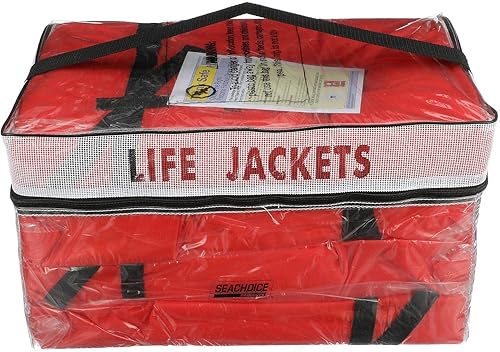
- A USCG-approved life jacket for everyone aboard and a waterproof flashlight.
Watch out: never exceed the maximum horsepower on the plate. An oversized motor makes the dinghy unstable and can tear the transom off.
Maintenance and common mistakes
Sun, salt and abrasion are an inflatable's enemies. Rinse it with fresh water after every outing, let it dry before folding and store it somewhere cool and ventilated. Check the pressure before you go: heat raises it and cold lowers it, so adjust to the temperature.
Common mistakes: dragging the dinghy over rocks or concrete, inflating it to the maximum in full sun, forgetting the valve caps and leaving it uncovered in the sun all summer. If you get a puncture, learn to fix it with a patch kit: we explain how in how to repair an inflatable boat.
Frequently asked questions
What size dinghy do I need for my boat?
For most sailboats and recreational powerboats, between 7.5 and 10.5 feet (2.3 to 3.2 m) is enough. Choose based on your stowage space and how many people you need to carry.
PVC or Hypalon for an inflatable dinghy?
PVC is lighter and cheaper and works for seasonal use. Hypalon holds up better to sun and abrasion and pays off if the boat lives outdoors all year in a sunny area.
What outboard can I put on my inflatable?
Whatever the manufacturer's plate lists as maximum horsepower. For short trips an electric motor is enough; for more range, a 2 to 6 hp outboard is the usual balance.
How do I store an inflatable dinghy for winter?
Rinse it with fresh water, let it dry completely and store it partly inflated or loosely folded in a cool, dry place away from rodents. Avoid leaving it in the sun or folded with sharp creases.