If you buy through our links, Amazon pays us a small commission at no extra cost to you. That’s how we keep the site running. How we choose.
Contents
Our top 3 picks
Stock checked on October 6, 2026

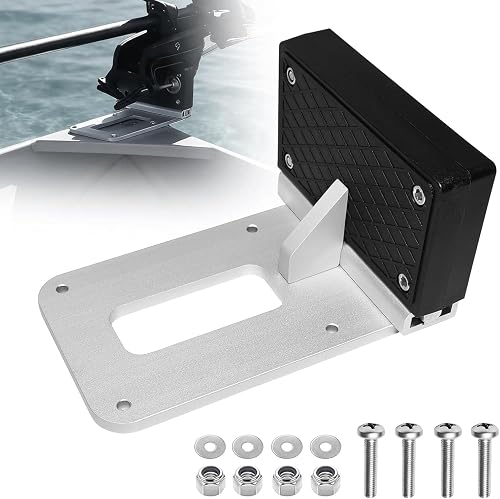
outboard motor brackets comparison, in stock
INTEX 68624EP Motor Mount Kit: Easy to Attach – Heavy-duty Composite Mount – Marine Plywood – Aluminum Support Arms…

Mangrove Products: Transom Saver Wedge, Outboard Motor Support, Single Ram, Pontoon Boat Accessories

Universal Transom Trolling Motor Mount for Kayaks/Kayak Motor Mount
Universal Transom Trolling Motor Mount for Kayaks/Kayak Motor Mount
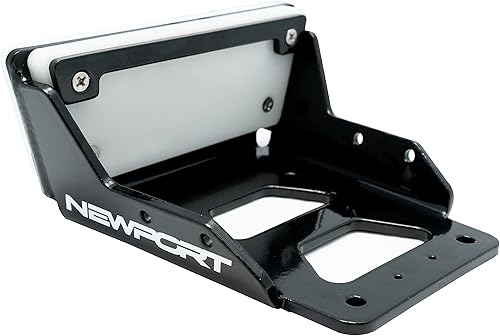
Newport Trolling Motor Transom Motor Mount - Kayaks - Freshwater and Saltwater - 1 Size, Gray
EZ Mount – Universal Trolling Motor Mount for Jon Boats | Bow Installation | No Drilling Required | Fits Gunnels <…

Boat Transom Saver for Outboard Motor, Supports up to 100 HP Motors
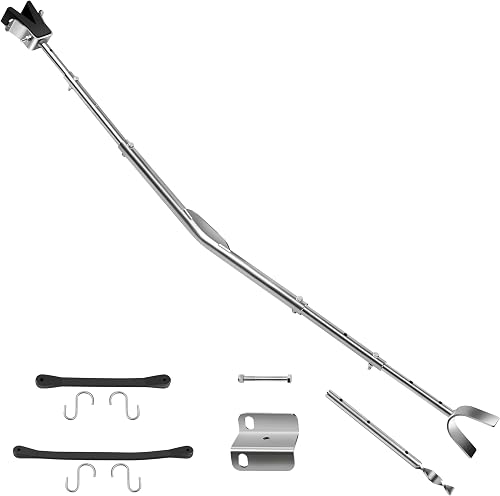
Boat Transom Saver for Outboard Motor, Supports up to 150 HP Motors
BarcoEquipado score: combines the average rating and the number of buyer reviews on Amazon. No brand pays to be featured.
What an outboard bracket does
On many sailboats and small boats the outboard is not fixed to the hull. It hangs on a bracket bolted to the transom or to a platform. The bracket carries the weight, sets the engine at the right height and, on tilting models, lifts it out of the water when you sail.
The bracket is where every load comes together: the static weight of the motor, the thrust when you motor ahead and the hammering of waves. If it is undersized, it bends, breaks or tears out the transom laminate.
Types of bracket
| Type | How it works | Best for |
|---|---|---|
| Fixed (lever or plate style) | The motor stays at a set height, bolted to the transom | Small boats, inflatables, near-permanent use |
| Tilting or pivoting | The motor tilts up and locks clear of the water | Small sailboats that sail and motor |
| Lifting with slide rail | The motor rises and lowers along a vertical track and locks in each position | Sailboats with high transoms, or motors heavier than you can lift by hand |
| Auxiliary on platform or offset | Mounts to one side of the hull or to a fishing platform | Boats with a narrow transom or a main engine already installed |
| Dinghy transom mount | Clamps to the transom of an inflatable or tender | Inflatable tenders |
Some inflatables and folding boats have a specific bracket system you must follow. A universal bracket cannot be bolted onto a transom designed for a different setup.
Weight rating and transom height
The first number to check is the bracket's maximum load rating, in pounds, kilos or horsepower. It should be clearly above the true weight of your motor, with a margin for wave shock. Never run a bracket at its limit.
- Engine weight: check your outboard's spec sheet. A 2.5-6 hp motor weighs roughly 28-60 lb (13-28 kg), a 9.9-15 hp around 90-120 lb (40-55 kg), and 20 hp or more is much heavier.
- Transom height: the shaft length (short or long) must match the stern. A short shaft on a tall transom leaves the prop too close to the surface. A long shaft on a low transom drags and slows you down.
- Transom width: the bracket must sit flat with room to spare on both sides.
Warning: also check what your transom can handle. A strong bracket bolted to a thin, unreinforced fiberglass transom can tear it out. If in doubt, reinforce with a stainless steel or marine plywood backing plate.
Materials and finishes
- Anodized aluminum: light and resistant to salt water if well protected. Very common on sailboat brackets.
- Stainless steel (316): heavier, costlier and very durable. The choice for heavy use or heavy motors.
- Reinforced composites: light and cheap, suited to very low horsepower.
- Galvanized steel: inexpensive but not great for long-term marine use. It rusts once the coating is damaged.
Tip: use 316 stainless fasteners with wide washers and a backing plate. Where steel meets aluminum, protect the joint with anti-seize or a corrosion-inhibiting compound to prevent galvanic corrosion.
Installation and placement
- Mark the transom centerline and hold the bracket in place. Check that the motor will sit aligned with the boat's centerline.
- Work out the height: the motor's anti-cavitation plate should sit roughly level with the bottom of the hull or slightly below.
- Drill the transom and fill the holes with marine sealant before inserting through-bolts. Do not rely on screws that only bite the outer laminate skin.
- Fit a backing plate inside and tighten progressively in a cross pattern.
- Test the bracket with the motor mounted and confirm the tilt locks in both working and stowed positions.
If the motor is a sailboat auxiliary, also think about where it will be stowed and about a safety lanyard. A chain or line connecting the motor to the boat is cheap insurance against a wave knocking it off. To choose the engine itself, see gas outboard motors or electric outboard motors.
Care and common mistakes
- Choosing a bracket on price alone without comparing its rating to the real weight of the motor.
- Forgetting transom height and buying the wrong shaft length.
- Not reinforcing the transom with a backing plate.
- Not rinsing the bracket and its pivots with fresh water after saltwater use.
- Leaving the motor without a safety chain or line, since a wave can knock it free.
- Skipping lubrication of pivots and tilt mechanism once or twice a season.
To protect the motor while it hangs on the bracket, look at outboard motor covers. General upkeep is covered in our guide to outboard maintenance.
Frequently asked questions
What bracket do I need for a sailboat's auxiliary outboard?
Most often a tilting bracket or a lifting slide-rail bracket, which lets you raise the motor out of the water while you sail. Choose one rated well above your motor's weight and check your transom height.
How much weight can an outboard bracket hold?
It depends on the model. The manufacturer states the maximum load in pounds, kilos or motor horsepower. Always pick a bracket with a margin over your real engine weight and never run it at the limit.
Can I mount a bracket on any transom?
Only if the transom is strong enough and has the right height and width. On thin fiberglass transoms, reinforce with a stainless steel or marine plywood backing plate.
Do I need a safety line for a motor on a bracket?
Yes. A safety chain or line that ties the motor to the boat prevents losing it if the bracket gives way or a wave knocks the motor off. An anti-theft lock is also a good idea at the dock.

