If you buy through our links, Amazon pays us a small commission at no extra cost to you. That’s how we keep the site running. How we choose.
Contents
Our top 3 picks
Stock checked on October 6, 2026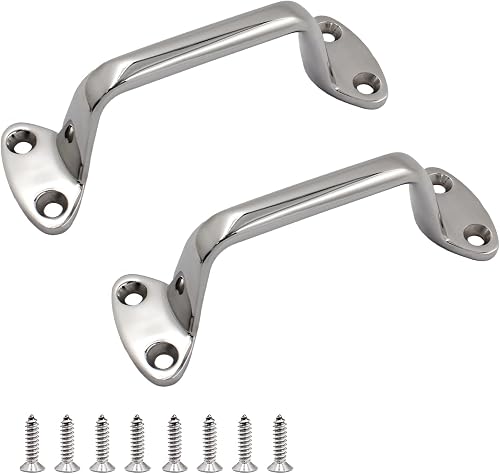


boat handrails and grab handles comparison, in stock
SHENGHUISS 2 Pack 5.8 INCH (148MM) Solid 316 Stainless Steel Marine Grade Boat Grab Handle Polished Marine Heavy Duty…

SHENGHUISS Boat Grab Handle Solid 316 Stainless Steel Marine Grade Heavy Duty Grab Bar Handrail W/Screws 6.5 inch…
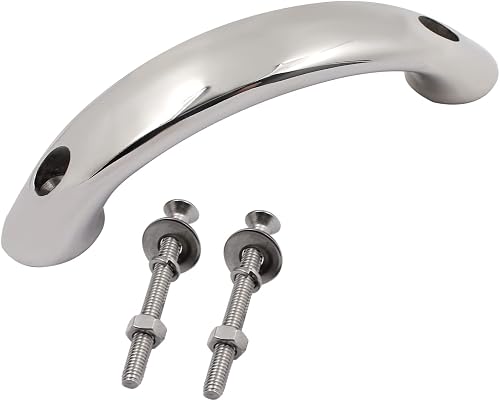
SHENGHUISS 6.5"(165MM) Boat Grab Handle Solid 316 Stainless Steel Marine Grade Heavy Duty Grab Bar Handrail W/Screws

2PCS Boat Handrail Grab Handle Polished Stainless Steel Round Tube - 12" Long Marine Grab Handle
ISURE MARINE Marine Large Cleat Door Grab Handle Handrail Pull Replacement 316 Stainless Steel 150mm for Boat Yacth
8-1/4" Boat Grab Bar 316 Stainless Steel Polished Grab Handle Handrail Hardware Multipurpose

9" Boat Grab Bar, 2 Pack Stainless Steel Handrail Handle Multipurpose 9 inch Safe Hand Supports for Marine Boat Yacht
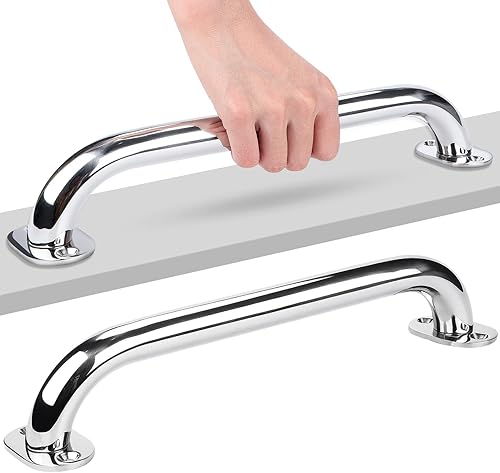
2X 12 inch Boat Handle handrail Polished Stainless Steel Heavy Duty Boat Marine Grab Handle Hand Rail 1 inch Round…
BarcoEquipado score: combines the average rating and the number of buyer reviews on Amazon. No brand pays to be featured.
How to choose a grab handle for your boat
On a center console pounding through a chop, going down the companionway of a heeled sailboat, or climbing out of the water onto the swim platform, having something solid within reach makes all the difference. Before buying, settle three things: where it goes, who will use it and what load it will see.
- Material: 316 stainless for exterior and wet areas; teak for interiors and cabin-top handrails where you want a warmer feel.
- Length: 6 to 10 in (15-25 cm) for a one-hand grip; 2 ft (60 cm) or more, or several grips, to move along the deck.
- Fastening: built for the weight of a person falling, not for decoration. This is where most people cut corners.
The models above change with stock, so compare length, tube diameter and number of mounting points in each listing.
Where to mount handrails on a boat
| Location | Recommended type | Why |
|---|---|---|
| Console | 316 stainless, 8-12 in | Handhold for passengers in a chop |
| Swim platform and boarding ladder | 316 stainless, vertical or curved | Helps you climb out of the water |
| Companionway | Stainless or teak, both sides | Where most people fall |
| Cabin top | Long teak or stainless rail | Moving forward safely |
| Interior: galley, head, table | Teak or small stainless | Bracing when the boat is heeled |
| Hatches and doors | Short oval stainless | Opening and closing with a firm grip |
Rule of thumb: from anywhere you move on a boat underway, there should be a handhold within arm's reach. On deck they work together with stanchions and stainless rails and, at the transom, with a good boarding ladder.
316 stainless or teak
316 stainless
- Virtually maintenance-free and very strong.
- Slim tube that's easy to grip, even with gloves.
- Can get hot in the sun and very cold in winter.
- Insist on 316: type 304 stains within months (304 vs 316 stainless).
Teak
- Warm to the touch with an excellent grip, even wet.
- Classic look, ideal below deck and on traditional sailboats.
- Needs cleaning and, to keep its color, oil or varnish. See teak care aboard.
Round or oval tube, and standoff
Oval gives a better grip with a wet hand and is common on hatches and doors. Round tube of 7/8 or 1 in is the standard for long rails and matches the other tubing on the boat. Also check the standoff between the handle and the surface: a gloved hand must fit, so at least 1.5 in (4 cm).
Installing it so it holds
A handle held only with sheet-metal screws into fiberglass will pull out at the worst moment. Do it this way:
- Use through-bolts in A4 stainless with nuts, ideally acorn nuts on the inside.
- Add wide washers or a backing plate (aluminum, stainless or marine plywood) to spread the load over the laminate.
- On a cored sandwich laminate, fill the hole with epoxy so the core can't soak up water or crush as you tighten.
- Seal each hole with butyl or polyurethane before assembly (marine sealants).
- Test the grip by hanging your full weight on it before calling the job done.
Warning: if the handle sits on a thin unreinforced panel, the panel will give way before the hardware does. Reinforce the back or pick another spot.
Maintenance and common mistakes
Stainless is cleaned with fresh water and a cloth; for light surface staining, a dedicated cleaner (stainless cleaners) takes it off. Teak is washed with a soft brush and oiled once or twice a year if it lives in the sun.
- Installing a handle that's too short where two hands are needed.
- Buying cheap 304 stainless for exterior use.
- Fastening with short screws or without nuts.
- Missing a handhold where it matters most: the companionway and the swim-platform access.
- Leaving long bolt ends sticking out inside, where they can cut someone.
Tip: if you cruise with kids or older passengers, add a second, lower handhold at the companionway.
Frequently asked questions
Where should grab handles go on a boat?
Wherever people move while the boat is heeled or bouncing: beside the companionway, on the cabin top, on a console, next to the boarding ladder and below deck near the galley and head. The rule is always to have a handhold within reach.
Stainless or teak grab handles?
316 stainless is practically permanent and easy to clean, ideal outdoors and in wet areas. Teak is warmer to the touch and looks great below deck and on classic sailboats, but needs upkeep.
How long should a grab handle be?
For a one-hand grip on consoles, doors or next to a ladder, 6 to 10 in (15-25 cm). To move along the deck or cabin top, rails of 2 ft (60 cm) or more. When in doubt go longer, since it lets you grab in different positions.
How do I fasten a handle so it holds a person's weight?
Use A4 stainless through-bolts with nuts and wide washers or a backing plate, and seal every hole with butyl or polyurethane. Held only by sheet-metal screws into fiberglass, it can pull out at the worst moment.