If you buy through our links, Amazon pays us a small commission at no extra cost to you. That’s how we keep the site running. How we choose.
Contents
Our top 3 picks
Stock checked on October 6, 2026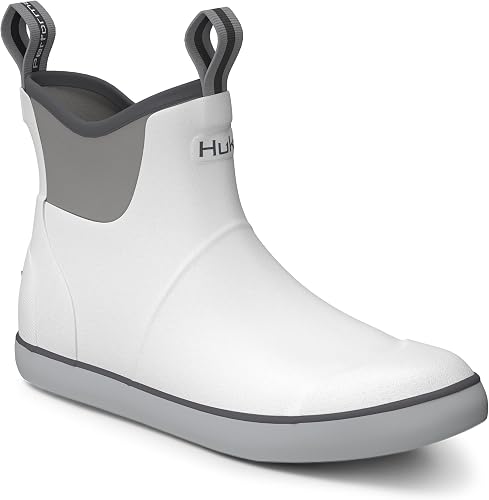
boat shoes comparison, in stock
HUK mens Rogue Wave Shoe, High-performance Fishing & Deck Boot

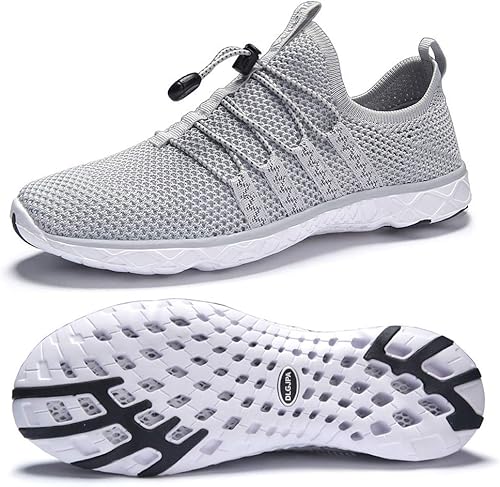
DLGJPA Men's Quick Drying Water Shoes Lightweight Sport Aqua Walk Shoes

Sperry Men's Billfish™ 3-Eye Leather Boat Shoe
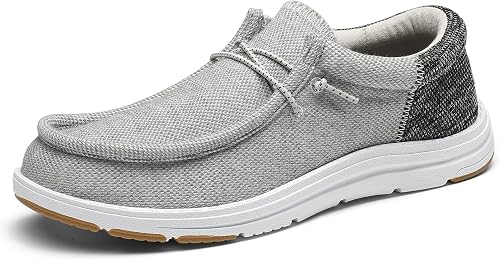
Bruno Marc Men's Arch Support Casual Slip-on Shoes Loafers

Sperry Men's Authentic Original 2-Eye Boat Shoe

Sperry Men's Authentic Original 2-Eye Boat Shoe

Sperry Men's Authentic Original 2-Eye Boat Shoe
BarcoEquipado score: combines the average rating and the number of buyer reviews on Amazon. No brand pays to be featured.
How to choose boat shoes
A wet deck, with algae, polished gelcoat or damp teak, is a skating rink for ordinary sneakers. Boat shoes are built to grip those surfaces, dry quickly and keep black scuff marks off your boat. They're one of the cheapest purchases that add the most safety.
Before choosing, think about three things: where you sail (coastal, racing, offshore, dinghy), how wet you get and how many hours you spend on your feet aboard.
The sole: what matters most
A good marine sole has three qualities:
- Soft, non-slip rubber: conforms to the tiny irregularities of a wet deck.
- Siping (fine slits or grooves): channels water away from the footprint and boosts grip.
- Non-marking: white or light "non-marking" soles won't leave streaks on gelcoat or teak.
Watch out: a sole with deep lugs, like hiking or running shoes, grips poorly on smooth decks and can damage them. Don't wear street shoes aboard.
Types of marine footwear
| Type | Best for | Keep in mind |
|---|---|---|
| Classic boat shoe | Day sailing, cruising, mixed use | Tanned leather; needs care after getting wet |
| Technical sailing / deck shoe | Racing and dinghy sailing | Synthetic, light, drains and dries fast |
| Sailing boots / deck boots | Cold, rain and offshore passages | Warmer; check that the sole is non-slip |
| Neoprene water shoes | Kayaking, paddleboarding, inflatables | Light and flexible; need a decent sole |
| Marine sandals | Summer on deck and going ashore | Exposed toes; risk of stubbing |
Materials and drainage
- Genuine leather: classic and comfortable, but slow to dry and prone to warping if soaked often; needs specific care.
- Technical fabric or mesh: dries fast and drains, ideal if you get wet a lot.
- Synthetics and neoprene: light and unfazed by saltwater, though they can hold odors.
- Stitching and eyelets: look for reinforced stitching with salt-resistant thread and stainless eyelets.
Tip: if you spend many hours on your feet, buy a pair with a cushioned insole and good arch support. Comfort on a long passage matters as much as grip.
Sizing and fit
Try them on late in the day, when your feet are slightly swollen, and with the socks or water shoes you'll actually wear. They should hold your heel without squeezing and leave about half a thumb of room at the toe. A shoe that's too loose slides when you move; one that's too tight tires you out and chafes when wet.
If you plan to use neoprene booties, pair them with your wetsuit and check that the thicknesses are compatible.
Care after saltwater
- Rinse the shoes with fresh water after every outing.
- Dry them in the shade in a ventilated spot, never on a radiator or in strong sun.
- Stuff them with crumpled paper if soaked, so they keep their shape.
- Treat leather shoes with conditioner or wax from time to time.
- For odors, use a dedicated cleaner or baking soda; skip the washing machine.
Common mistakes
- Wearing street sneakers or black-soled shoes that scuff the gelcoat.
- Buying for looks without checking the sole.
- Picking leather for very wet use and not caring for it.
- Not having a closed pair and a spare for rain or cold.
To round out your personal gear, also check our polarized sunglasses and the non-slip decking on your own boat.
Frequently asked questions
What's the difference between boat shoes and regular sneakers?
The sole. A marine sole is soft rubber with siping that channels water away and doesn't mark the deck. Street sneakers slip on wet surfaces and can leave black marks on gelcoat.
Can I wear boat shoes on land?
Yes, classic boat shoes are comfortable for everyday wear. A very soft sole wears faster on asphalt, so it's wise to keep one pair just for the boat.
Which is better, leather or fabric?
Leather is comfortable and stylish but dries slowly and needs care. Technical fabric or synthetic shoes dry faster, drain better and stand up to saltwater; they're the practical pick if you get wet often.
How do I clean boat shoes?
Rinse them with fresh water after use, scrub with mild soap if needed and let them dry in the shade. Avoid the washing machine and heat sources, which warp the sole and the material.