If you buy through our links, Amazon pays us a small commission at no extra cost to you. That’s how we keep the site running. How we choose.
Contents
Our top 3 picks
Stock checked on October 6, 2026
boat launching dollies comparison, in stock
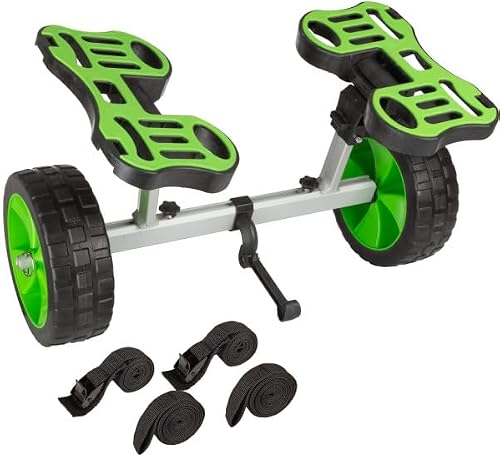
Heavy Duty Kayak Cart, Width Adjustable Canoe Cart with 12inch Flatfree Beach Wheels Boat Dolly Cart Transport Carrier
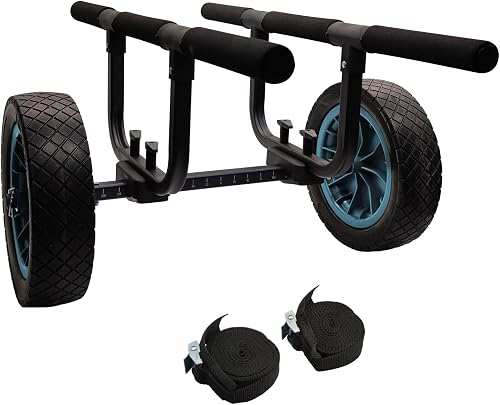
Heavy Duty Kayak Cart, Width Adjustable Canoe Cart with 12inch Flatfree Beach Wheels Boat Dolly Cart Transport Carrier

Seamax Deluxe 4 by 4 Boat Launching Dolly with 14" Wheels System, Commercial Grade Quality for Inflatable Boat and…

KEDSUM 6000LBS Car Dolly Set of 4, Heavy Duty Vehicle Dollies
Kayak Cart - 140lb Capacity Canoe Dolly with Airless Tires, Aluminum Frame, and Straps for Small Watercraft - Kayak…
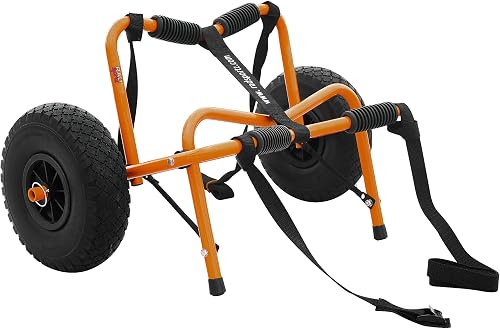
Rad Sportz Kayak Cart with Wheels and 150lb Capacity, Orange

Wilderness Systems Heavy Duty Kayak Cart - for Kayaks and Canoes
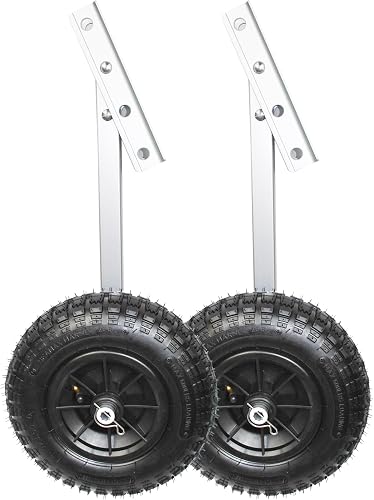
Seamax Eazy Load Boat Launching Wheels Set for Inflatable Boat & Aluminum Boat, Support MAX 500Lbs Loading with 12"…
BarcoEquipado score: combines the average rating and the number of buyer reviews on Amazon. No brand pays to be featured.
How to choose a launching dolly
A launching dolly lets you move a small boat without a trailer: roll it down the ramp or beach, park it in the club yard, or take it from your garage to the water. It's common for inflatables, light RIBs, rowboats, tenders and small fishing skiffs.
Before you buy, gather three numbers:
- Total weight to move: hull, motor, fuel tank and gear. If you leave the engine on, count it.
- Hull type: flat bottom, V-hull, inflatable with keel, or a rigid hull with a chine. It decides where the dolly supports the boat.
- Where you'll use it: concrete ramp, sand, gravel or rocks. The terrain determines the wheel type.
Tip: pick a dolly rated at least 30% above the real weight. Loading it right at the limit shortens the life of the axles and wheels.
Types of launching dollies
Transom dolly
Clamps onto the transom and comes off at launch. It's light, affordable and folds flat, ideal for inflatables and tenders up to 220-330 lb (100-150 kg). Stow it on board or in the trunk.
Keel or under-hull dolly
Two wheels with cradles or pads that support the hull from below. They spread the load better and are more stable, which is why they're preferred for RIBs and rigid boats of 440 to 1,300 lb (200-600 kg).
Full-hull or adjustable-support dolly
With arms and straps that adjust to different hull shapes. For people who store the boat on land and need to move it often over long slopes.
Kayak and canoe carts
Much lighter and foldable, with small wheels. If your craft is a kayak, look for dedicated models rather than a boat dolly.
Wheels, axles and materials
| Component | What to look for |
|---|---|
| Pneumatic wheels | Best grip on sand and gravel; need pressure checks |
| Solid or polyurethane wheels | No flats, good for hard ramps; less flotation |
| Wide balloon wheels | Sink less in sand; best for beach launching |
| Aluminum frame | Light and corrosion resistant; the most common |
| Galvanized steel or stainless | Stronger and heavier; check welds and hardware |
In saltwater, prioritize stainless steel axles and sealed or plastic bearings, and avoid untreated steel parts, which rust within a few trips.
Using it safely on the ramp
- Park the vehicle and set the brake before lowering the boat.
- Place the dolly under the hull with the boat centered and strapped.
- Push or pull in a straight line, without sharp turns on the ramp.
- To haul out, wade in until the hull floats onto the dolly and secure it before pulling.
Watch out: wet, algae-covered ramps are very slippery. Wear boots with non-slip soles and never stand downhill of the boat. For heavy loads, get a second person to help.
Maintenance after each use
- Rinse the dolly with fresh water, especially axles and bearings.
- Grease the bearings with marine grease every few trips.
- Check tire pressure and look for cracks in the support pads.
- Store it under cover, and don't leave the boat resting on the cradles for months: they deform a soft hull.
Common buying mistakes
- Buying on price alone without checking the real capacity and the wheel type.
- Ignoring the weight of the engine and gear when calculating the load.
- Choosing small wheels for sand, where they just dig in.
- Not measuring the dolly's width against the garage door or trunk.
If you're picking your first boat, our guide on choosing your first boat will help, and for inflatables also check the inflatable boats that work with dollies.
Frequently asked questions
What capacity should a launching dolly have?
At least 30% above the combined weight of hull, motor and gear. For an inflatable with a small outboard, 220-440 lb is usually enough; for RIBs over 880 lb, a keel dolly is the better choice.
Which wheels are best for sand?
Wide balloon wheels or low-pressure pneumatic tires, because they sink less and roll with less effort. Narrow solid wheels work best on a concrete ramp.
Does a transom dolly fit any boat?
No. It's meant for light boats, around 220-330 lb, with a strong transom. For heavier hulls or with the engine mounted, a keel or cradle dolly is better.
Can I leave the boat on the dolly permanently?
It's handy for moving the boat, but resting the hull on narrow cradles for months can deform it. If you store it dry, spread the weight over several support points.