If you buy through our links, Amazon pays us a small commission at no extra cost to you. That’s how we keep the site running. How we choose.
Contents
Our top 3 picks
Stock checked on October 6, 2026

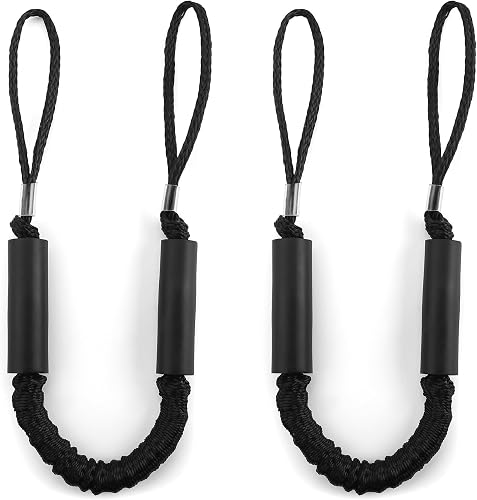
mooring snubbers comparison, in stock
4 Feet Bungee Dock Line Mooring Rope for Docking with Stainless Steel Clip Accessories for Boats PWC, Built in Snubber…
4 Feet Bungee Dock Line Mooring Rope 2-Pack for Docking with Stainless Steel Clip Accessories for Boats PWC, Built in…
4 Feet Bungee Dock Line, Adjustable Mooring Rope with Snubber, Black 2Pack

JaunniQir 2200lb Bungee Dock Lines 4-5.5ft, Shock Absorbing Mooring Ropes with Foam Floats, Stretchable Dock Snubber…

Bungee Dock Lines - Boat Ropes for Docking with 316 Stainless Clips, Built in Snubber,Dock Mooring Lines Rope | Docking…

The Perfect Bungee 24" Boat Snubber Dock Line Shock Absorber, Heavy Duty, Made in USA

Five Oceans 2-Pack Marine Rubber Boat Dock Line Mooring Snubbers for 3/4" to 7/8" Rope, EPDM Rubber, Mooring Anchor…

BarcoEquipado score: combines the average rating and the number of buyer reviews on Amazon. No brand pays to be featured.
What a mooring snubber does
A boat tied to a dock is never still. Waves, wind, and wakes from passing boats push it against its lines again and again. If a line cannot give, every jerk goes straight to the cleat, the hardware, and the dock, and over months it all fatigues. A snubber adds stretch to the system and cuts the load peaks.
You notice it most in surgy marinas, on winter moorings, and whenever the boat sits alone for days. A line that works gently also lasts longer and chafes less. For the line itself, see dock lines.
Types of snubbers
Rubber or elastomer snubber
The most common on small and mid-size boats. It goes in the line with eye splices and thimbles, or the line runs through it. It is compact and affordable, but rubber suffers in sun and needs replacing every few seasons.
Stainless steel spring
Lasts far longer in sunlight and is easy to inspect. It has less stretch than an elastic line and makes noise as it works. Popular on cruisers that spend long seasons tied up.
Stretchy nylon line
Nylon itself, whether braided or three-strand, is elastic and absorbs part of the shock. No extra hardware is needed if the line is long enough and of good diameter.
Anchor chain snubber
Hooks onto the chain and works with a line led to the bow. It takes the jerks off the windlass and quiets the anchor chain in a rolly anchorage. More in how to anchor step by step.
| Type | Advantage | Drawback | Best for |
|---|---|---|---|
| Rubber or elastomer | Affordable and compact | Degrades in sun | Small and mid-size boats |
| Stainless spring | Very durable | Less stretch | Long-term moorings |
| Stretchy line | No hardware | Needs more length | Any boat |
| Chain snubber | Protects the windlass | Anchoring only | Rolly anchorages |
Sizing by boat length
The snubber must match the line diameter, and the line follows boat length and weight. This table is a rough guide; if your boat is heavy or the marina is exposed, go up one size.
| Boat length | Line diameter | Lines per side |
|---|---|---|
| Up to 26 ft | 3/8 in. (10 mm) | 2 (bow and stern) |
| 26 to 33 ft | 7/16 in. (12 mm) | 2 to 3 |
| 33 to 40 ft | 1/2 in. (14 mm) | 3 |
| 40 to 50 ft | 5/8 in. (16 mm) | 3 to 4 |
Installation and good practice
- Fit the snubber close to the boat, not the dock cleat, so eye splices do not rub on the spring.
- Use thimbles in the eyes and protect the line with chafe gear where it passes through the chock.
- Leave the line with some slack: the snubber needs room to stretch. A line as tight as a guitar string defeats the purpose.
- Run at least two snubbed lines per side and lead them at wide angles so they work differently.
Warning: a snubber does not replace a good line or correct angles. If the line chafes through, the snubber will not save it. Check chafe at your cleats and chocks.
Common mistakes
- Choosing one too stiff for your boat: it does not stretch and does not cushion.
- Using it without checking the rubber after summer.
- Forgetting chafe protection at the hull chock.
- Tying up with a single line and trusting everything to the snubber.
Tip: at the start of the season, stretch the snubber by hand. If you see cracks in the rubber or it stays elongated and does not spring back, replace it.
Maintenance
Rinse with fresh water at the end of each season, dry it, and store it in the shade if you take your lines off for winter. Stainless springs get checked for pitting or cracks in the body. Never paint or lubricate a rubber snubber with solvents, because they break it down.
Frequently asked questions
What does a mooring snubber do?
It cuts the jerks that waves and wind send to your lines, cleats, and dock. It adds stretch to the system so the boat moves smoothly instead of snatching at its lines.
What size snubber do I need for my boat?
It depends on line diameter, which grows with boat length and weight: about 3/8 in. up to 26 ft, 7/16 in. for 26 to 33 ft, 1/2 in. for 33 to 40 ft, and 5/8 in. for 40 to 50 ft. In exposed marinas, go up one size.
Rubber or stainless spring?
Rubber is cheaper and compact but degrades in sun and needs replacing every few seasons. A stainless spring lasts longer and is easy to inspect, though it stretches less and makes noise.
Where does the snubber go on the line?
Close to the boat rather than the dock cleat so eye splices do not rub on the spring, and always with thimbles. Leave the line slack enough that the snubber can stretch.